Global Gender Gap in Math Widens: Post-Pandemic Data Shows Alarming Trends for Girls
Introduction
Recent global data reveals a troubling reversal in mathematics achievement among school-aged girls. According to the latest Trends in International Mathematics and Science Study (TIMSS), released last week, the gender gap in math performance has not only persisted but widened significantly since the pandemic. This analysis, conducted in partnership with UNESCO, underscores a setback in years of progress toward gender equity in education.
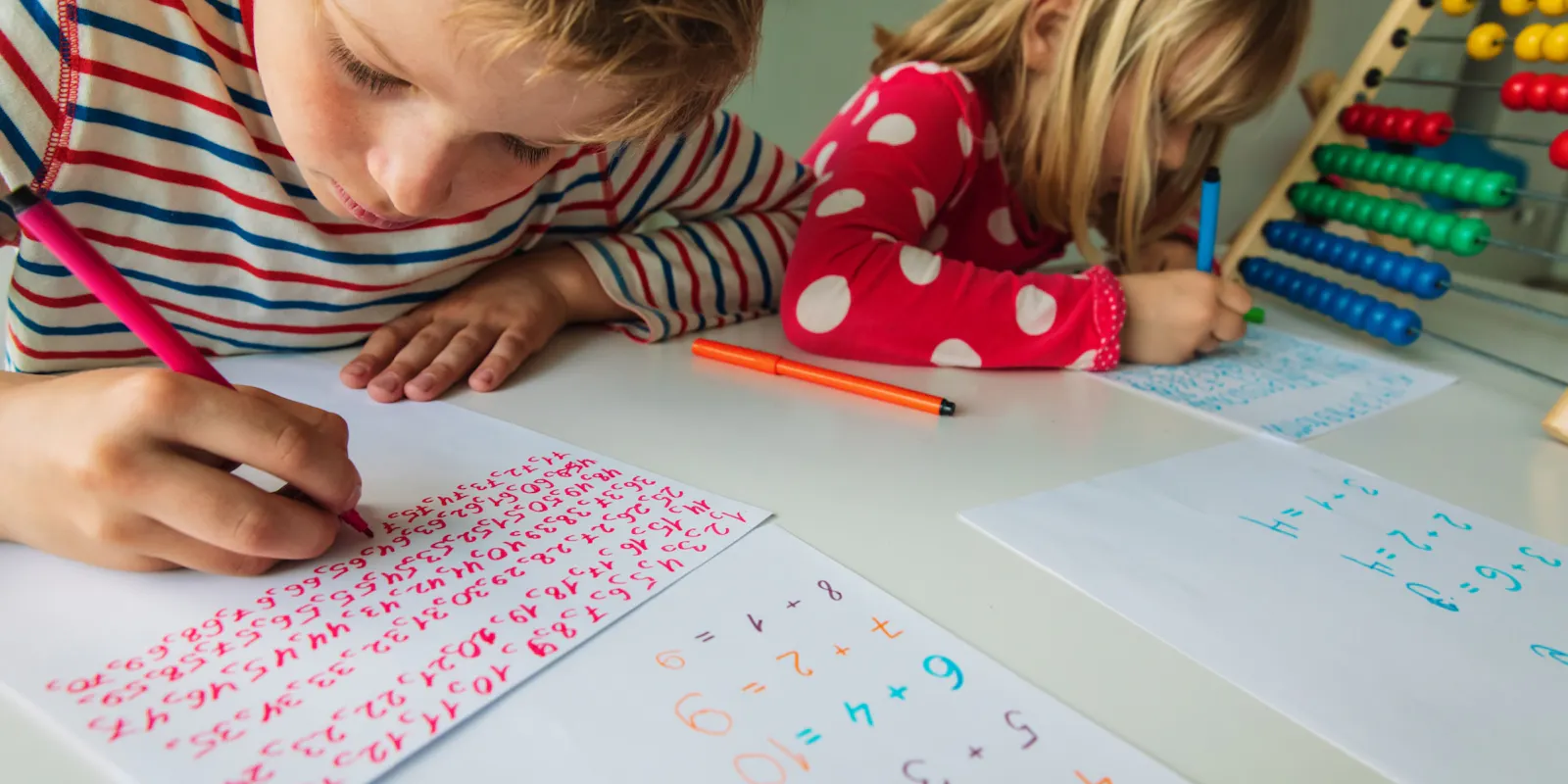
The Widening Gender Gap
In 2023, fourth-grade boys outperformed their female peers across the vast majority of participating countries and territories. Among eighth-graders, the disparity has grown exponentially since 2019, erasing more than a decade of gradual gains in math equity. Matthias Eck, a program specialist at UNESCO’s Section of Education for Inclusion and Gender Equality, explains that prior to this report, data had shown girls catching up. “But in the latest data, we see that the gap is widening again between girls and boys, and that's at the detriment of girls, which is quite concerning,” he says.
The findings echo those from the U.S. Nation’s Report Card, which reported similar trends last year. TIMSS data, collected every four years, measures math and science achievement among fourth- and eighth-grade students globally. This edition is the first to capture performance after the onset of COVID-19.
Impact of Pandemic School Closures
The analysis reveals a strong correlation between longer school closures and greater learning loss in math, with variation across regions. Eck suggests that pandemic disruptions may have exacerbated existing disparities, reducing learning opportunities for girls. “Those that were at risk of low achievement have been more affected,” he notes. “The fact that girls were out of school and not in the learning environment could have impacted their confidence, but that's just the hypothesis.”
Among top-performing fourth-graders, 85 percent of countries showed results skewed toward boys. For eighth-graders, slightly over half of the regions had an advanced achievement gap favoring boys, while none favored girls in either grade. These numbers highlight a systemic imbalance that extends beyond basic proficiency.

Concerning Signs in Underperformance
Additional data points paint a grim picture. The share of countries where fourth-grade girls fail to reach basic math proficiency is rising, and most of these regions have a higher proportion of struggling girls. Meanwhile, among eighth-graders, although the overall gender gap in underperformance is shrinking, the number of countries where girls have a higher failure rate has spiked. Researchers are cautious about drawing firm conclusions, but the trend aligns with broader concerns about pandemic-related learning losses disproportionately affecting girls.
For a deeper dive into how school closures impacted different demographics, see our section on pandemic effects above.
Conclusion
The TIMSS data serves as a stark reminder that progress in gender equity in education remains fragile. While boys have historically outperformed girls in math, the recent widening of the gap suggests that the pandemic has undone years of incremental improvement. Eck calls for targeted interventions to support girls’ learning, especially those at risk. As global education systems recover, these findings demand urgent attention to ensure that the next generation of female students does not fall further behind.
For more on gender equality in education, visit UNESCO’s Education for Inclusion and Gender Equality page.
Related Articles
- Legal Landmark: Snap, YouTube, TikTok Settle School Addiction Lawsuit; Meta Trial Looms
- Getting Started with Django: A Practical Overview of Its Key Features
- From Zero to Hero: Self-Proclaimed 'Worst Coder' Builds Agentic AI to Dominate Leaderboards
- How to Understand Social Media's Structural Failures: A Step-by-Step Guide
- NetSuite's SuiteCloud Agent Skills: AI-Powered Customization for ERP Developers
- Everything You Need to Know About Google's TurboQuant: Q&A
- Coursera-Udemy Merger Creates Global Skills Powerhouse: 290M Learners and 95K Creators Unite
- 10 Essential Things to Know When Starting Django