Santa Marta Summit: Pioneering Steps Away from Fossil Fuels
In April 2025, a landmark gathering in Santa Marta, Colombia, brought together 57 nations to tackle one of the most pressing challenges of our time: how to move away from coal, oil, and gas. Co-hosted by Colombia and the Netherlands, this first-of-its-kind summit focused on practical roadmaps, tackling harmful subsidies, and fostering open dialogue. Below, we explore the key outcomes through questions and answers.
What made the Santa Marta summit unique, and why was it called?
The Santa Marta summit was the first dedicated conference on “transitioning away” from fossil fuels, emerging from tense negotiations at COP30 in Belém, Brazil. While efforts to include a formal “roadmap” in the COP30 outcome text failed, Colombia and the Netherlands stepped up to co-host this event. The summit’s novel format—small, closed-door sessions—allowed ministers and envoys from 57 countries, representing one-third of the global economy, to have frank conversations about barriers to clean energy. Set against a backdrop of war, oil crises, and extreme weather, the gathering was praised as “refreshing” and “groundbreaking” by participants. It aimed to produce national roadmaps and new tools to address carbon-intensive trade and fossil fuel subsidies, marking a shift from lofty pledges to concrete action.
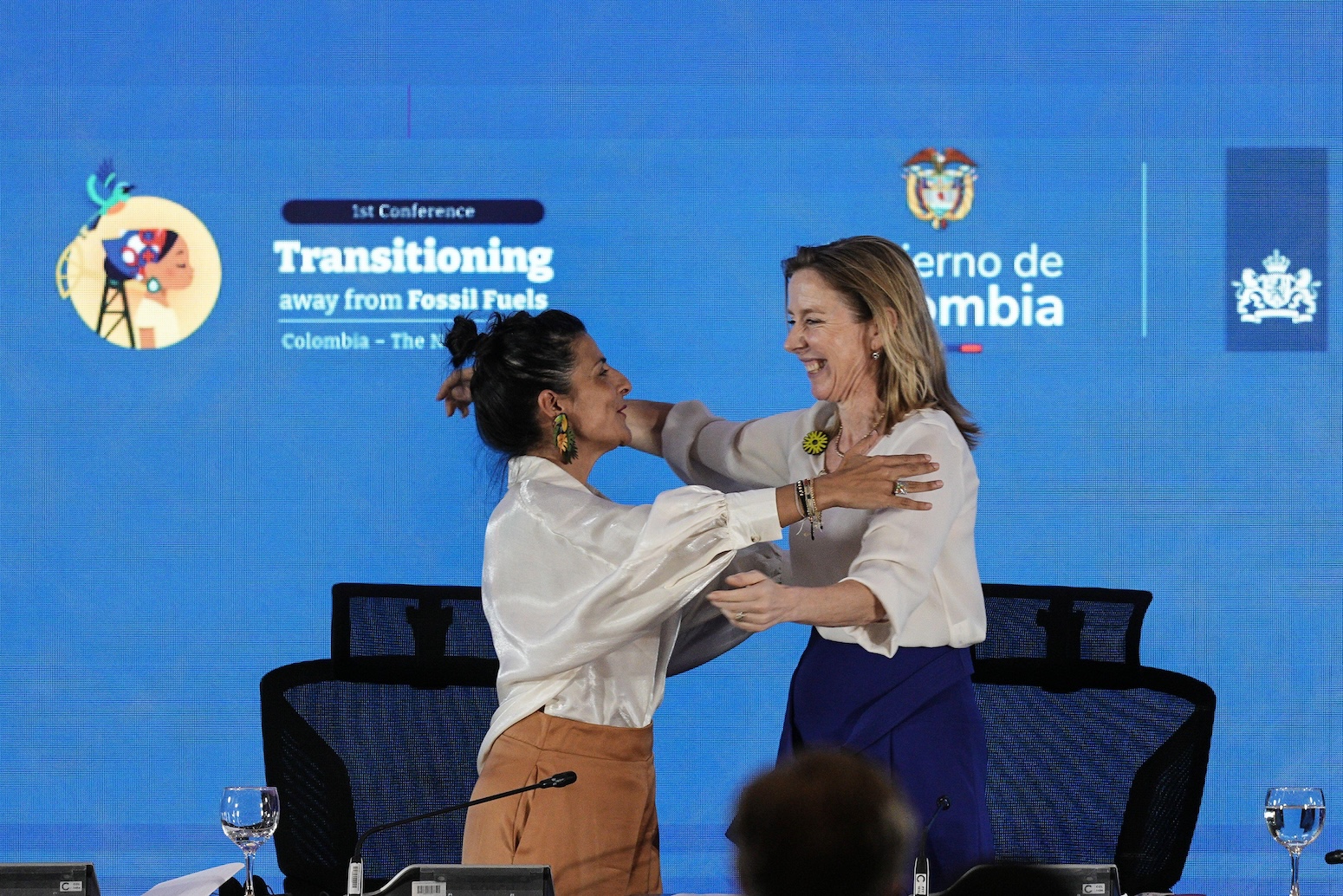
Which countries led the summit, and what was their role?
Colombia and the Netherlands jointly hosted the Santa Marta summit. Colombian Environment Minister Irene Vélez Torres, a former academic, emphasized the importance of science in guiding the transition. The idea for the summit surfaced during the final stretch of COP30, when Colombia and the Netherlands announced their co-host role. Their leadership was instrumental in designing the summit’s inclusive format, which included a science pre-conference, stakeholder days, and a high-level segment. They also pushed for outcomes like the Action Insights Report and the launch of a new science panel. Their efforts ensured that the summit moved beyond rhetoric, with countries leaving with commitments to develop national phaseout roadmaps and tackle fossil fuel subsidies.
What concrete outcomes did the summit deliver?
The summit’s main achievement was agreements among nations to create national roadmaps for phasing out coal, oil, and gas. Additionally, new tools were developed to combat harmful fossil fuel subsidies and carbon-intensive trade. A key output was the “Action Insights Report,” which summarized the closed-door discussions and barriers identified. The event also saw the launch of a science panel for the global energy transition, designed to provide agile, bespoke analysis for countries accelerating their transition. Furthermore, Tuvalu and Ireland were announced as co-hosts of the second summit, scheduled for 2027 in the Pacific island nation. These outcomes represent a tangible step toward operationalizing the global goal of transitioning away from fossil fuels.
How did science contribute to the summit?
Science played a central role. A “science pre-conference” on April 24-25 brought together 400 global academics, leading to the launch of a new science panel. This panel aims to offer flexible, tailored analysis to nations seeking to accelerate their transition. Colombian minister Vélez Torres stressed that decisions must be evidence-based. The pre-conference also served as a platform for researchers to present latest findings on fossil fuel impacts and clean energy pathways. By embedding science directly into the policy discussions, the summit ensured that national roadmaps are grounded in robust data and models. This approach was widely praised as a model for future climate gatherings.

What role did indigenous and civil society groups play?
Indigenous communities and civil society were actively integrated into the summit’s structure. A dedicated day for subnational governments, parliamentarians, and stakeholders allowed these groups to voice concerns and propose solutions. Indigenous leaders highlighted the disproportionate impacts of fossil fuel extraction on their lands and called for a rights-based transition. Their participation ensured that the outcomes reflected diverse perspectives, not just government positions. The summit’s organizers made it a point to include these voices in both the science pre-conference and the high-level segment, emphasizing that a just transition must respect local knowledge and human rights.
What are the next steps after Santa Marta?
Following the summit’s success, the Brazilian COP30 presidency committed to preparing an “informal” fossil-fuel roadmap based on Santa Marta discussions. More concretely, Tuvalu and Ireland will co-host the second transitioning away from fossil fuels summit in 2027 in Tuvalu. Countries are expected to present progress on their national phaseout roadmaps and report on subsidy reforms. The new science panel will also continue its work, providing ongoing support. The Santa Marta outcome shows that despite geopolitical tensions, multilateral cooperation on fossil fuel phaseout is possible—and that future summits will build on this momentum.
Related Articles
- GitHub Deploys Security Shield for AI Coding Agents to Block Attacks at the Tool Layer
- Next-Generation Space Computing: NASA and Microchip's Leap Forward
- Neanderthal Dentistry: Decoding the 60,000-Year-Old Drilled Tooth
- SpaceX Nighttime Launch: 45 Satellites Sent to Orbit from California – Key Questions Answered
- Artemis 3 Delay: Will NASA's Lunar Landing Slip to 2028 or Beyond?
- Antimatter Atom Reveals Wave Nature in Landmark Quantum Experiment
- How NASA is Clearing the Skies for Emergency Drones: Q&A on Airspace Prioritization
- New AI Debugging Method Identifies Which Agent Caused Task Failures and When