Injectable Biomaterial Repairs Damaged Tissues from Within: A New Era in Regenerative Medicine
Introduction
Imagine a treatment that can be injected into a vein and then travel through the bloodstream to locate and repair damaged tissues, reducing inflammation and triggering the body's own healing processes. This is no longer science fiction. Scientists have developed a breakthrough injectable biomaterial that does exactly that—mending injuries from the inside out. In animal studies, this innovative therapy has shown remarkable success in treating heart attack damage and holds promise for conditions such as traumatic brain injury and pulmonary hypertension.
The Science Behind the Biomaterial
How It Works
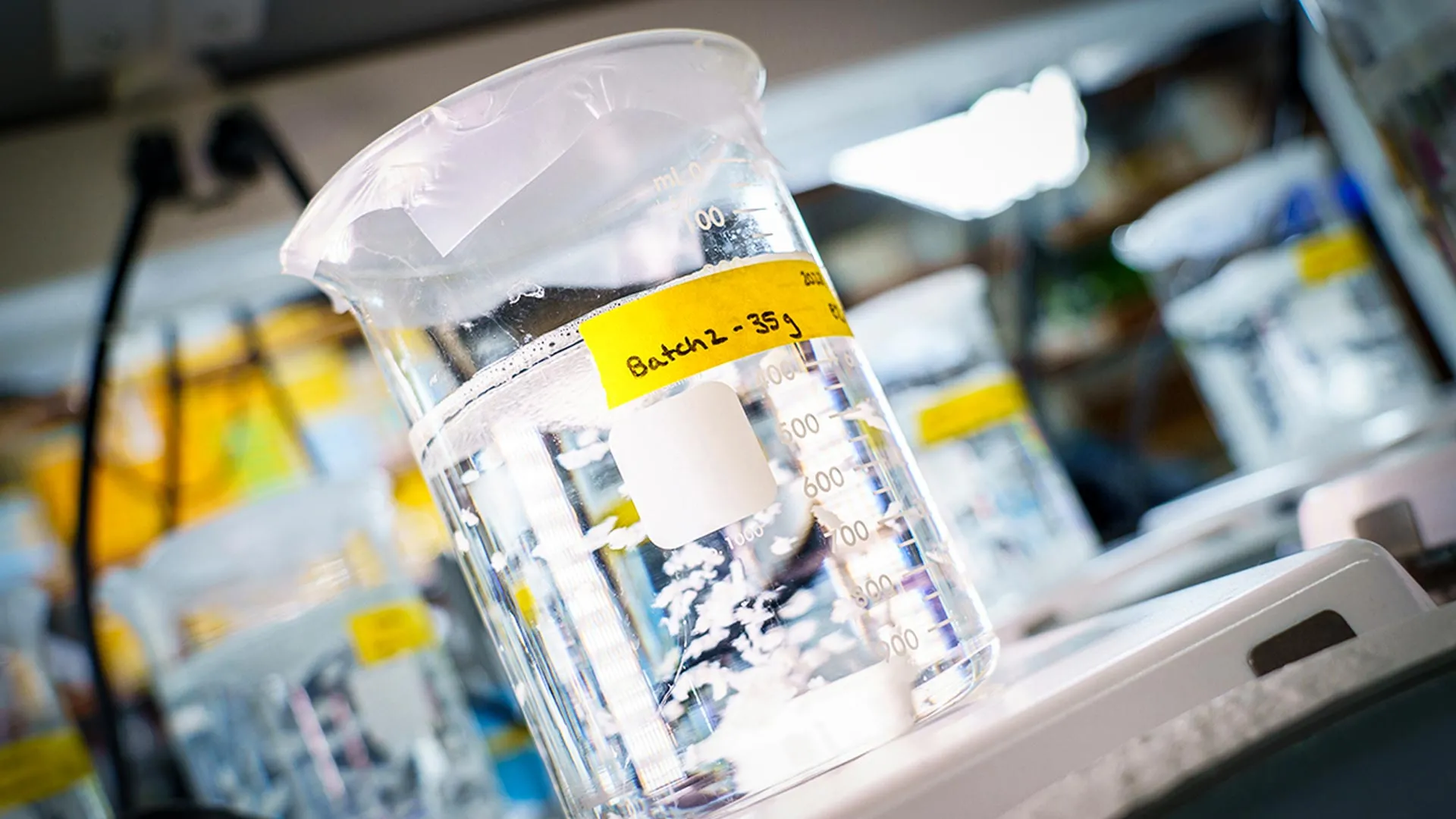
The biomaterial is designed to be administered intravenously, allowing it to circulate throughout the body. Unlike earlier therapies that required direct injection into the target organ, this new approach uses the body's own vascular network to deliver the healing agent precisely where it is needed. Once in the bloodstream, the biomaterial spreads evenly and quickly, homing in on damaged tissue sites. There, it reduces inflammation—a key barrier to natural healing—and jumpstarts the repair process. The material itself is biocompatible and eventually breaks down, leaving behind restored tissue.
Advantages Over Traditional Methods
Previous regenerative treatments often involved invasive procedures, such as injecting therapeutic cells or scaffolds directly into the heart muscle. These methods carried risks of uneven distribution, limited penetration, and additional trauma. The new injectable biomaterial overcomes these limitations by leveraging the circulatory system, ensuring uniform dispersal and non-invasive delivery. This not only minimizes patient discomfort but also allows for treatment of multiple or hard-to-reach areas in a single administration.
Promising Results in Animal Studies
Heart Attack Recovery
In animal models of heart attack, the biomaterial demonstrated a significant ability to repair damaged cardiac tissue. Researchers observed reduced scar formation, improved heart function, and decreased inflammation markers. The intravenous delivery led to more consistent outcomes compared to direct injection methods, suggesting that the therapy could be a viable option for millions of heart attack survivors who suffer from lasting tissue damage.
Potential for Traumatic Brain Injury and Pulmonary Hypertension
Encouraged by the heart results, scientists tested the biomaterial on conditions affecting other organs. For traumatic brain injury, the biomaterial crossed the blood-brain barrier and reduced neuroinflammation, promoting recovery in rodent models. Similarly, in models of pulmonary hypertension—a severe lung condition—the treatment eased vascular remodeling and improved blood flow. These early findings open the door to a broad range of applications, from stroke to chronic lung diseases.
Looking Ahead: From Bench to Bedside
While these results are promising, the biomaterial has only been tested in animals. Clinical trials in humans are the next critical step. Researchers are optimistic because the intravenous route is safe and standard in medicine. If successful, this therapy could revolutionize how we treat not only heart attacks but also traumatic injuries, degenerative diseases, and inflammatory conditions. The ability to heal from the inside out—using the body's own pathways—could become a cornerstone of regenerative medicine.
In summary, this injectable biomaterial represents a paradigm shift: instead of targeting tissues directly, we enlist the bloodstream as a delivery system, enabling gentle yet powerful repair. With ongoing research, we may soon have a new tool to mend the body's hardest-to-heal wounds.
Related Articles
- Navigating FDA Drug Center Leadership Transitions: A Stakeholder's Playbook
- 8 Fascinating Insights into the Longevity Gene Transfer Breakthrough
- 7 Science-Backed Reasons to Add Eggs to Your Diet for Brain Health
- Breakthrough Proton Beam Timimg System Promises Real-Time Radiotherapy Energy Verification
- AI for Humanity: Anthropic and the Gates Foundation's $200 Million Bet on Social Good
- How to Analyze Transit Equity Using GPS Mobility Data: A Step-by-Step Guide
- Unlocking Kidney Protection: A Guide to Lubiprostone’s Surprising Benefits
- The Hidden Cleanup Tax: A Practical Guide to Managing AI-Generated Code