Navigating the Fitbit to Google Health Transition: A Complete Migration Guide
Overview
Google's recent announcement that the standalone Fitbit app will be replaced by the unified Google Health platform marks a major shift for millions of Fitness enthusiasts. While change can be unsettling, this consolidation promises a more integrated experience, combining Fitbit's trusted health tracking with Google's ecosystem. This guide walks you through everything you need to know to migrate smoothly, from understanding what's changing to executing each step with confidence.
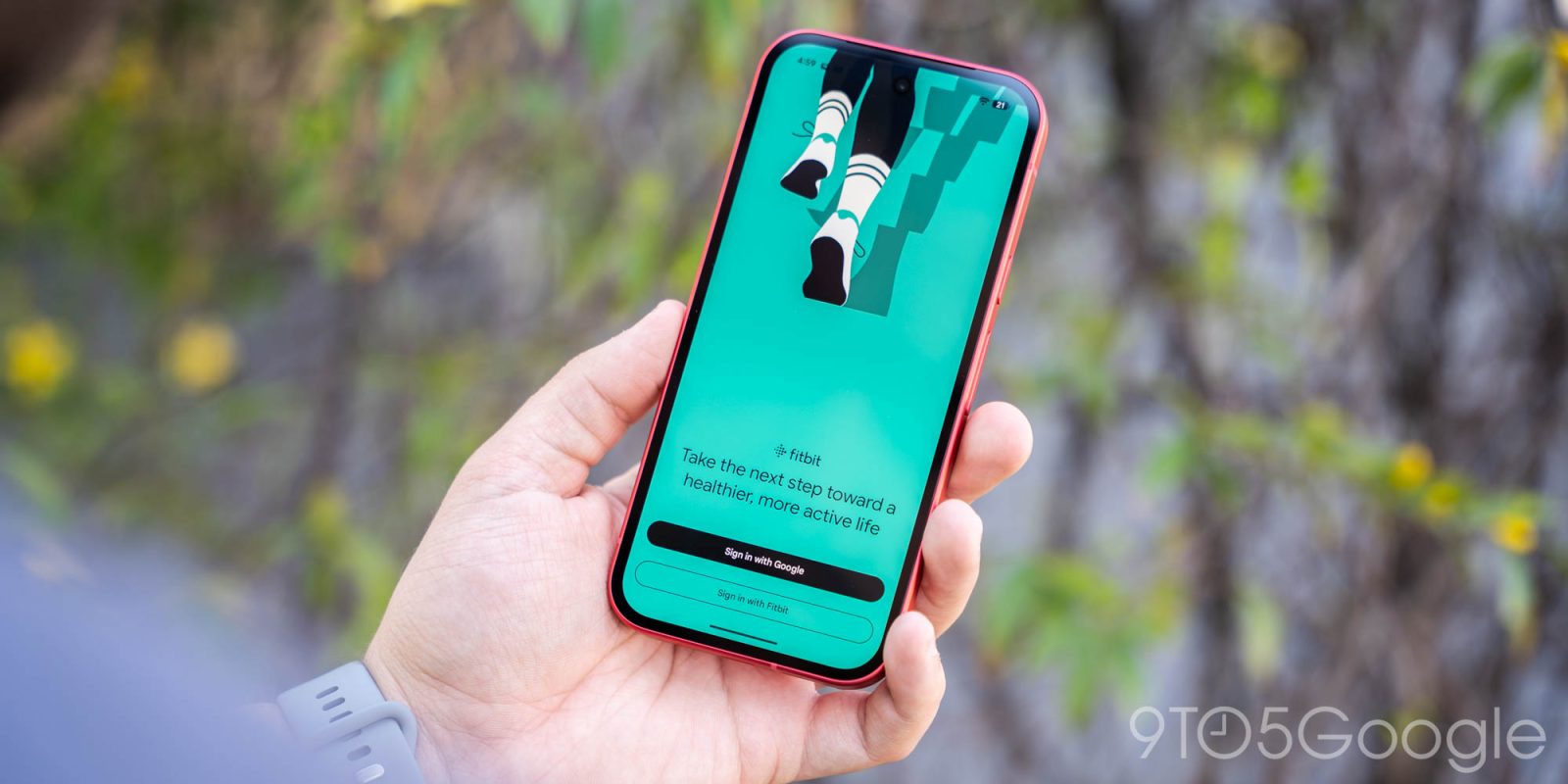
Jump to Prerequisites | Jump to Steps | Common Mistakes
Prerequisites
What You'll Need
- A Fitbit device (any model) with an existing Fitbit account
- A Google account (Gmail or Workspace) – if you don't have one, create it at accounts.google.com
- The latest version of the Fitbit app installed on your smartphone (iOS or Android) – it will assist the migration
- Stable internet connection and sufficient battery on your Fitbit device
- Optional: Backup your Fitbit data to a local file via the app's export feature (Settings → Data Export)
Step-by-Step Migration Instructions
Step 1: Update Apps and Log In
Ensure your Fitbit app is updated to the most recent version from your device's app store. Open the app and log into your existing Fitbit account. Concurrently, sign in to your Google account on your phone (e.g., through Gmail or Google Settings).
Note: If you use a Pixel Watch or Wear OS device, update those companion apps as well.
Step 2: Link Google Account to Fitbit
Inside the Fitbit app, navigate to Account → Account Settings → Link to Google Health. You'll be prompted to authorize the connection. Tap Continue and follow the on-screen consent to share your Fitbit data with Google Health.
Don't worry – Google states that your health data will be processed with strict privacy controls and not used for advertising.Step 3: Accept the Merged Terms
After linking, you'll see a new set of terms from Google Health. Read through the privacy policy and data handling practices. Accept by tapping I Agree. This action officially starts the data transfer process.
Step 4: Complete Data Transfer
The migration runs in the background. Keep the Fitbit app open and your phone connected to Wi-Fi. A progress bar will indicate completion. Depending on your data volume (steps, sleep, heart rate, etc.), this may take from a few minutes to an hour. Do not close the app or turn off the device abruptly.
Once finished, a notification appears: "Your data is now available in Google Health."
Step 5: Install and Set Up Google Health
Download the Google Health app from the Play Store or App Store (if not already installed). Open it and sign in with the same Google account you linked earlier. You should see your Fitbit history, including recent activity and dashboard metrics, seamlessly imported.

For the first time, you'll be asked to set preferences – choose your goal units, notification toggles, and which metrics appear on your home screen.
Step 6: Sync Your Fitbit Device
Ensure your Fitbit is paired with the new Google Health app. Go to Devices in the app, tap Add Device, and select your model. The app will search for nearby Fitbits. Confirm the pairing code displayed on your Fitbit screen. Once paired, you can start syncing directly with Google Health.
Step 7: Explore New Features
Google Health offers enhanced integration with Google Calendar, Maps, and Assistant. Try voice commands like "Hey Google, log my weight" or view your step count on your phone's home screen widget. Share data with family members through Google Family Group if desired.
Common Mistakes to Avoid
Mistake 1: Not Updating Apps First
Using outdated Fitbit or Google Health apps can cause linking failures. Always check for updates before starting.
Mistake 2: Powering Down Your Fitbit Device During Transfer
Data synchronization relies on an active connection. Avoid turning off your tracker or putting it in airplane mode until the progress bar reaches 100%.
Mistake 3: Skipping the Terms Review
Some users rush and accidentally decline data sharing, which stops the migration. Read each prompt carefully – the default is often to accept, but confirm you are choosing the correct option.
Mistake 4: Using Multiple Google Accounts
If you have several Google accounts, make sure you link the same one you intend to use with Google Health. Switching later can be complicated and may require resetting.
Mistake 5: Forgetting to Sync After Migration
The initial transfer moves historical data, but new daily measurements require a new sync. Set a reminder to sync the morning after migration to verify everything works.
Summary
The death of the standalone Fitbit app is not a loss but a step toward a more cohesive health ecosystem. By following this guide – from updating apps to linking accounts and accepting new terms – you can migrate to Google Health with minimal friction. The process preserves your data, introduces smarter integrations, and maintains the core fitness tracking you love. Embrace the change; your health journey becomes even more connected.
Related Articles
- How to Minimize PFAS Exposure in Your Baby's Formula: A Parent's Guide
- Boost Your Brain Health: A Step-by-Step Guide to Adding Eggs to Your Diet
- Climate Crisis Intensifies Allergy Season: Experts Warn of 'Unprecedented' Pollen Surge
- Tracking Arsenic Exposure Through Blood: A New DNA-Based Marker
- 10 Hidden Impacts of AI Data Center Noise: The Infrasound Problem You Can't Hear but Feel
- How to Spot Harmful 'Motivational' Health Posts and Protect Your Well-Being
- Ivonescimab's ASCO Plenary: What Akeso's Top Billing Reveals About Its Lung Cancer Data
- Unlocking Hearing Health: A Comprehensive Guide to Apple's AirPods Features Backed by New Research