The Block Protocol: A New Era of Interchangeable Web Blocks
Have you noticed how modern web editors, from WordPress to Notion, let you insert content as modular "blocks"? This approach is everywhere, but each app builds its own proprietary system. Blocks can't be shared or moved between platforms, limiting users to whatever features a particular editor offers. To solve this, a new open standard called the Block Protocol aims to make blocks interchangeable across the entire web. This Q&A explores the concept, the problem it solves, and how it will transform content creation.
What Exactly Are Blocks in Web Editors?
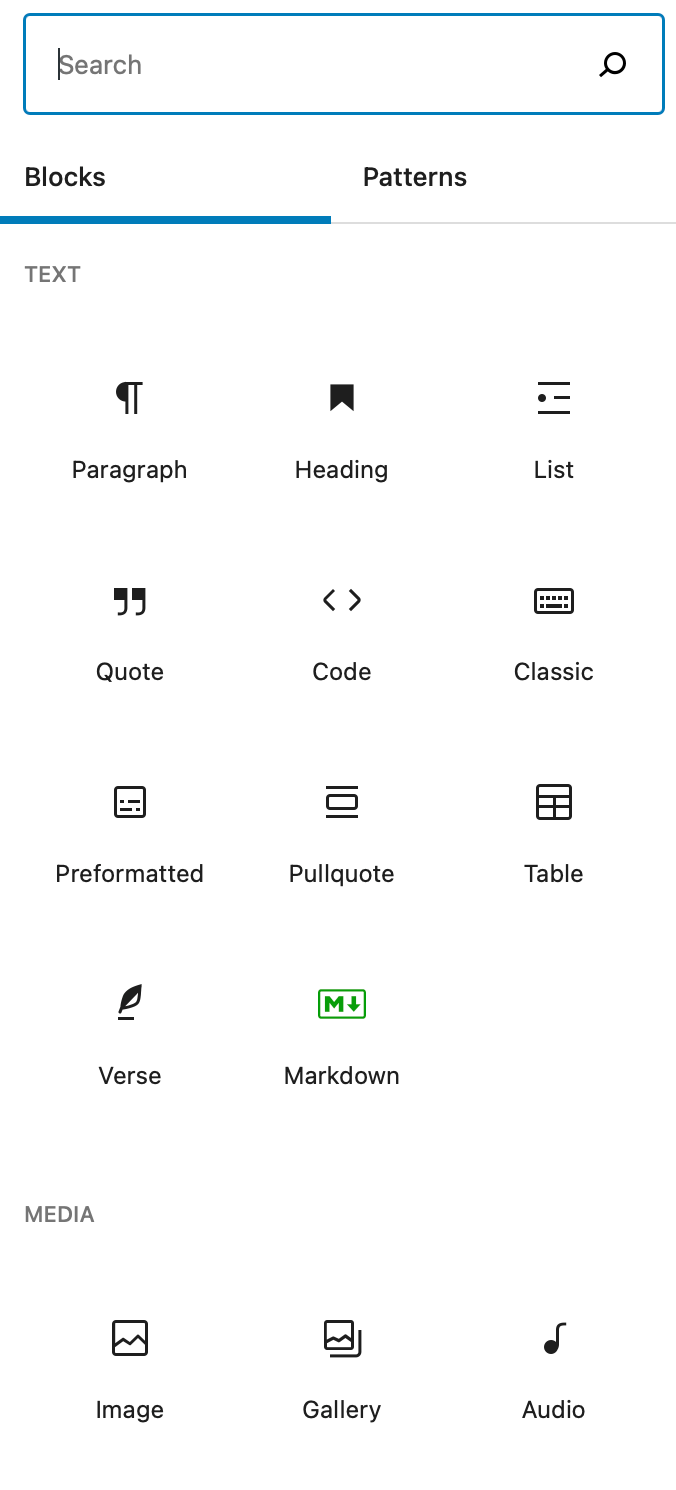
Blocks are modular content units that you can insert, rearrange, and customize within a page or document. Instead of writing everything in one continuous text area, you add separate blocks for paragraphs, images, videos, lists, tables, calendars, Kanban boards, or even interactive elements like order forms. Each block has its own editing controls and styling. This approach makes content creation more flexible and intuitive. For example, in WordPress, you click the + button to choose from a list of block types. The block interface has become popular because it mirrors how we think about content as discrete, movable pieces. However, until now, every app had to build its own block system from scratch, leading to fragmentation.
Why Is Standardization of Blocks So Important?
Without a common standard, every web editor, note-taking app, or CMS implements blocks in its own proprietary way. This means users are locked into the blocks that a particular platform provides. If you love a calendar block from Notion but your blog engine doesn't have it, you're out of luck. Developers waste time reinventing the wheel—coding similar blocks over and over for different platforms. End-users suffer because they can't easily move content or use advanced blocks they've seen elsewhere. Standardization would allow any block to work in any app that follows the protocol, giving users a richer ecosystem and developers a single integration point.
What Is the Block Protocol?
The Block Protocol is an open, free, non-proprietary standard that defines how embedding applications (like editors) can host blocks. It's a set of rules and interfaces that let any block communicate with any host application. If a block conforms to the protocol, it can be dropped into any editor that also follows the protocol—no custom code needed. The protocol handles things like data flow, rendering, user interactions, and configuration. It's early stage; a draft has been released with sample code for simple blocks and a basic editor. The goal is to create a universal block ecosystem where developers build once and blocks work everywhere, and users can mix and match blocks from a vast library.
How Does the Block Protocol Make Blocks Interchangeable?
Imagine every app that wants blocks implements a small piece of code that speaks the Block Protocol. This code acts as an adapter. When you add a calendar block, the editor sends a request to the block's source (like an open-source library) and receives a self-contained module that renders and behaves according to the protocol. The block can read and write data, respond to user actions, and interact with the editor's environment—all through standardized APIs. Because both sides follow the same rules, any block from any source works in any compliant editor. Developers only need to write the block once, and users can choose from a growing library of high-quality blocks without waiting for their platform to implement them.

What Kinds of Content Can Be a Block?
Virtually anything that makes sense in a document or on a web page can be a block. Common examples include paragraphs, headings, lists, tables, images, videos, and code snippets. But blocks can also be more specialized: a Kanban board for project management, a calendar with event integration, a chart or diagram, an order form for e-commerce, a podcast player, a poll, or a widget that displays structured data (like a contact card or product info). Blocks are not limited to static content; they can be interactive, dynamic, and data-driven. The Block Protocol is designed to handle typed data, so blocks can understand and manipulate structured information. This opens the door for blocks that connect to external services or perform complex logic.
Who Benefits from the Block Protocol?
Everyone wins. End-users get access to a huge variety of blocks—no more being stuck with a limited set. They can move content between apps more easily (if both support the protocol). App developers write the hosting code once and instantly support thousands of block types without extra work. They can focus on their core editor instead of building blocks from scratch. Block creators (individuals or open-source communities) develop one block and have it work on every platform that adopts the protocol, greatly expanding their audience. A vibrant open-source community can build a massive library of blocks, accelerating innovation. Since the protocol is free and open, no one is locked into a proprietary vendor. The web becomes richer and more interconnected.
What Are the Next Steps for the Block Protocol?
The Block Protocol is currently in an early draft stage. A simple editor and a few example blocks have been released as open-source proofs of concept. The next steps involve gathering community feedback, refining the specification, and encouraging adoption. The creators hope to foster an open-source community that contributes to both the protocol and a shared block library. They invite developers of existing editors (blogs, note apps, CMS) to implement the protocol and share their experiences. Over time, the protocol could become a universal standard like HTML or Markdown, but for interactive blocks. If you're interested, you can explore the draft, try the sample code, and join the discussion. The ultimate vision: a web where blocks are as portable and reusable as links or images.
Related Articles
- Mastering the New Windows 11 Run Menu: Insider Guide to Dark Mode, Speed, and the ~\ Command
- Mastering Python Environments in VS Code: 10 Essential Features You Need to Know
- 10 Essential Facts About Watching the Kentucky Derby in 2026
- Grid Crisis Deepens: Power Prices Soar 76% as AI Demand Outstrips Infrastructure
- Breaking: Inventory Divide Grows as Housing Market Power Tilts in States
- How to Install and Use Fonttrio Font Pairings in Your shadcn/ui Project
- How to Decode America's Fertility Panic: The Real Issues Behind the Numbers
- 5 Terminal Power Tools That Eliminated My Need for Graphical Apps