Honda Patents Haptic Clutch System to Bring Manual Feel to Electric Motorcycles
Breaking: Honda Files Patent for Simulated Clutch on E-Motorcycles
Honda has filed a patent for a simulated clutch system designed to bring the traditional manual transmission experience to electric motorcycles. The system uses haptic feedback to mimic clutch engagement, allowing riders to control power delivery without a physical clutch mechanism.
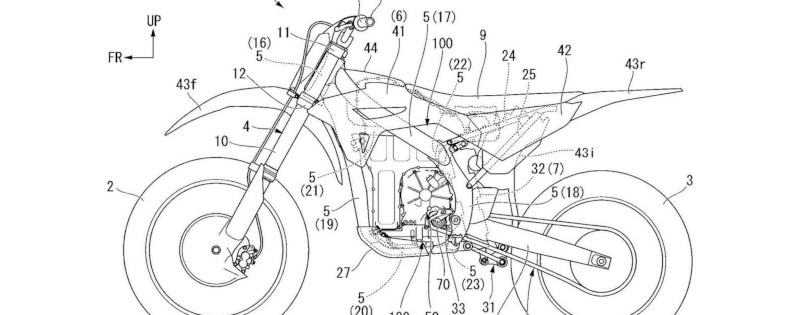
According to a report by Ben Purvis of Australian Motorcycle News, the patent details a lever on the handlebar that provides tactile feedback when the clutch would normally engage. The motor responds dynamically to the rider's input, cutting power when the lever is pulled in and restoring it as the lever is released.
This is not a simple on-off switch. The software interprets throttle and clutch lever position together, delivering a burst of torque when the rider revs with the clutch in and then releases it—mimicking a traditional manual launch.
Background
Electric motorcycles typically eliminate the clutch and transmission, relying on a throttle and brake only. While this simplifies riding, many enthusiasts miss the tactile control and skill involved in manual shifting.
Honda's patent addresses this gap by simulating the clutch feel electronically. The haptic feedback system uses vibrations or resistance to indicate engagement points, giving riders a physical connection to the powertrain.
The patent also outlines use cases for motocross and off-road riding, where precise power modulation is critical. Purvis notes that motocross racers depend on fine clutch control for traction and jumps—something current e-bikes lack.
What This Means
For casual riders, the simulated clutch may seem like a gimmick—an unnecessary complication on a clean, simple electric drivetrain. But for purists and racers, it could bridge the gap between old-school skill and new-age efficiency.
If Honda brings this to production, it could set a new standard for electric motorcycle control. The technology also opens doors for aftermarket conversions, allowing custom builders to replicate the system in existing e-bikes.
However, the patent is just a first step. No timeline or production commitment has been announced. The motorcycle world will be watching closely to see if Honda transforms this prototype into a real-world product.
Reactions and Analysis
Industry experts see the patent as a smart move to attract traditional riders wary of electrics. “This could be the feature that convinces die-hard manual fans to go electric,” says Purvis in the report.
Some skeptics argue that the added complexity might outweigh the benefits, especially for street riders who appreciate the simplicity of a twist-and-go e-bike. But Honda appears to target the enthusiast segment where control and feedback matter most.
As electric motorcycle sales grow, automakers are racing to differentiate their offerings. Honda's simulated clutch could become a key differentiator—if it proves reliable and affordable.
Technical Details
The patent describes a system where the lever includes sensors and actuators. The haptic feedback changes resistance progressively, similar to a cable-operated clutch.
The motor controller adjusts torque output based on lever position and throttle angle. When the clutch lever is fully pulled, motor power drops to zero. Partial pull reduces power proportionally.
Most critically, the software learns rider behavior. If the rider blips the throttle with the clutch in, the system anticipates a launch and provides a torque surge on clutch release—just like a combustion bike.
Related Articles
- 10 Urgent Steps for Ubuntu 16.04 LTS Users: Security Support Ends April 2026
- Week 19 Cybersecurity Recap: Two Major Cases You Need to Know
- The Rising Threat of Vishing and SSO Exploitation in SaaS Extortion: Q&A with Experts
- 5 Critical Insights from Google’s Latest Cyber Threat Report: AI-Driven Exploits and OpenClaw
- How to Defend Against Software Supply Chain Attacks: Lessons from the CPU-Z Watering Hole Incident
- Security Firms Checkmarx and Bitwarden Targeted in Sophisticated Supply-Chain Attacks
- Your Weekly Security Checklist: Protect Against SMS Blasters, OpenEMR Flaws, and Roblox Hacks
- CVE-2023-33538: Command Injection Attacks Target TP-Link Routers with Mirai Botnet Payloads