Father’s Exercise Before Conception Gives Offspring a Genetic Edge, Study Finds
Breaking: Paternal Exercise Boosts Offspring Athleticism, RNA Study Shows
In a groundbreaking study from Nanjing University, researchers have discovered that a father’s exercise habits before conception can significantly enhance his offspring’s physical performance. Mice born to physically active fathers ran farther and accumulated less lactic acid than those from sedentary parents, even though all offspring came from identical genetic stock.
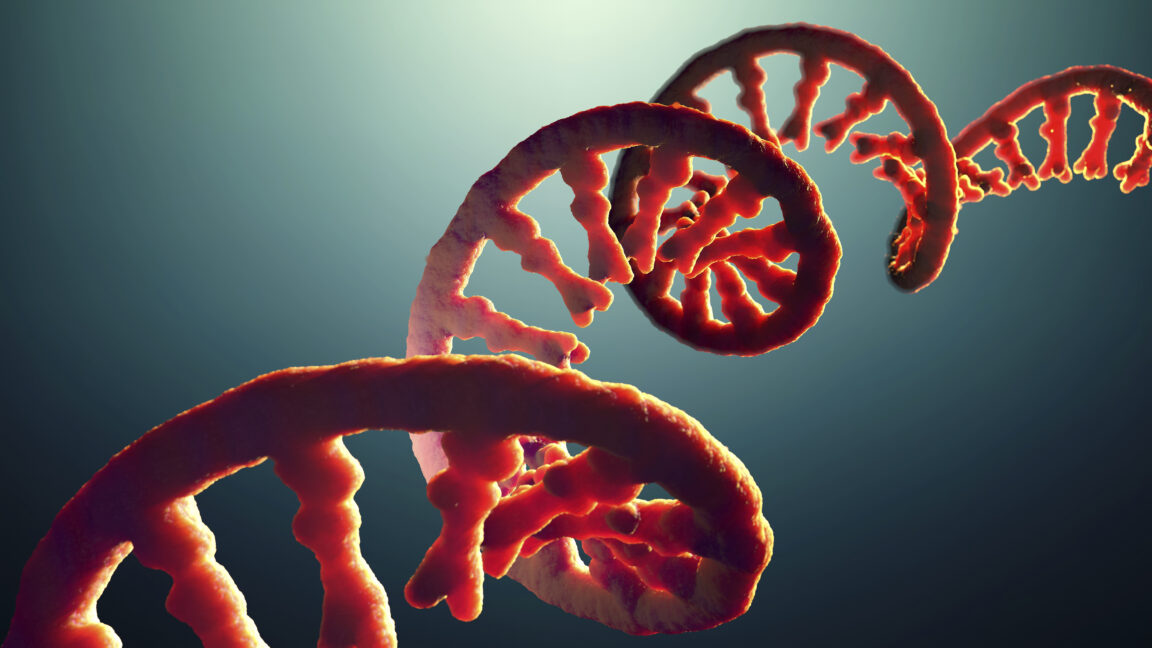
“I was very surprised when I first saw the data,” said Xin Yin, a biochemist at Nanjing University and lead author of the study. “The mice had no special training or genetic advantage—only their father’s exercise routine made the difference.”
The findings suggest that paternal lifestyle factors, particularly exercise, may influence future generations through mechanisms beyond DNA, challenging traditional views of heredity.
How the Study Worked
Yin and his team placed littermate mice on a miniature treadmill that gradually increased in speed. The offspring of fathers who had exercised regularly before mating performed significantly better, running longer distances with lower lactic acid buildup compared to control group mice.
The control mice came from the same genetic stock and received identical care, ruling out genetic or environmental explanations. The only variable was the father’s exercise regimen prior to conception.
Expert Reaction
“This is a stunning result that opens an entirely new avenue for understanding how parental behaviors affect children,” commented Dr. Sarah Lin, a reproductive biologist at Peking University who was not involved in the study. “We usually think of inheritance as purely genetic, but this points to a ‘memory’ of paternal exercise carried via RNA.”
Yin’s team is now investigating which specific RNA molecules are responsible, and whether similar effects occur in humans. “If confirmed in people, it could revolutionize preconception health advice for men,” Yin added.
Background: The RNA Connection
Scientists have long known that environmental factors like diet and stress can alter gene expression in offspring through epigenetic marks. However, the idea that exercise could leave a lasting imprint via RNA—molecules that help translate genetic instructions—is relatively new.
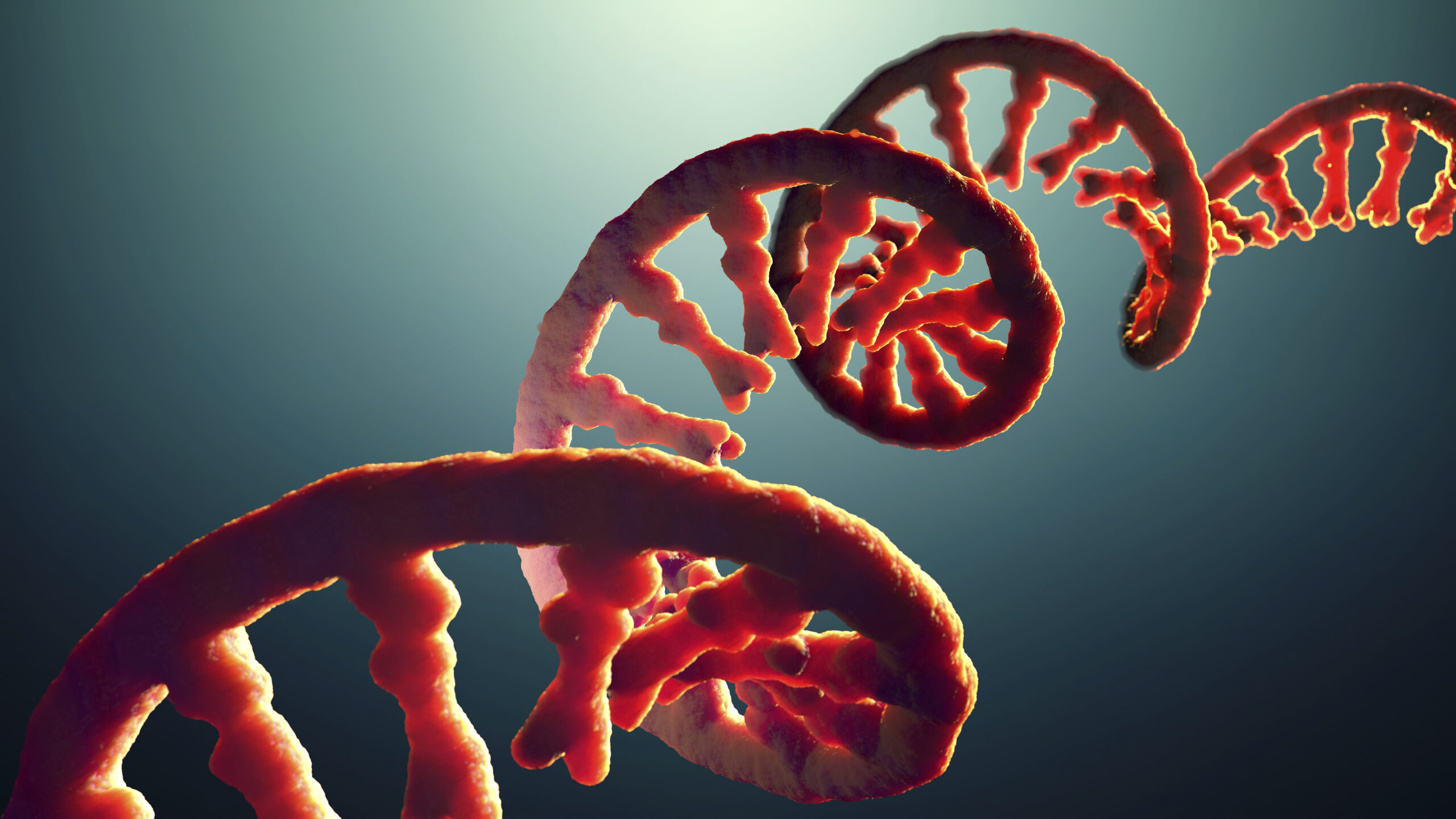
Recent studies in mice showed that paternal diet can affect offspring metabolism through sperm RNA. This latest work extends that finding to athletic performance, suggesting that RNA molecules in sperm carry information about the father’s physical activity levels.
“The treadmill test is a clear, measurable outcome,” said Dr. Mark Chen, a geneticist at Tsinghua University. “It provides strong evidence that paternal exercise benefits are real and transmissible.”
What This Means for Human Health
If the same mechanism operates in humans, the study could reshape preconception care guidelines for men. Current advice focuses largely on maternal health, but these findings suggest that fathers-to-be should also consider regular exercise before starting a family.
“We’re not saying a man who exercises will guarantee an Olympic athlete,” cautioned Yin. “But it may give his children a head start in physical fitness and possibly metabolic health.”
The research also raises ethical questions about paternal responsibility and the potential for ‘lifestyle inheritance’. Could other habits like smoking or poor diet similarly affect offspring through RNA? The team plans to explore these questions in follow-up studies.
Next Steps: From Mice to Men
Yin’s laboratory is now analyzing sperm RNA from the exercising fathers to identify the precise molecules that trigger the offspring’s improved endurance. They are also collaborating with human fertility clinics to test whether men who exercise have different RNA profiles in their sperm.
“This is just the beginning,” Yin stated. “We’ve opened a door to understanding how a father’s choices can echo across generations.”
For now, the message is clear: dad’s workout may be the best gift he can give his future children. Further details will be published in an upcoming issue of Nature Metabolism.
Related Articles
- Hedge Fund Ditches Webull Stake Entirely, SEC Filing Shows
- Apple Warns Mac mini and Mac Studio Shortages Could Last Months Due to AI Demand and Component Constraints
- Major Sports Unions Urge CFTC to Ban Player Underperformance Bets, Citing Abuse Risks
- Azure Integrated HSM: Building Trust Through Open-Source Hardware Security
- AI Agent Outage Exposes Systemic Testing Gaps: Experts Warn of 'Confident Catastrophes'
- Silex Microsystems IPO Surges 25% on Stockholm Debut, Enterprise Value Hits SEK 8.9 Billion
- Building Cryptographic Trust: How Azure's Integrated HSM Is Now Open Source
- A Practical Guide to Post-Quantum Cryptography Migration: Lessons from Meta’s Framework