Lotus Recalibrates: Hybrid V8 Supercar Signals Shift from Pure EV Strategy
Lotus has long been synonymous with lightweight sports cars, but recent years saw the brand pivot aggressively toward an all-electric future. Now, however, the company is adjusting its course. Under a newly unveiled Focus 2030 roadmap, Lotus is stepping back from a pure EV strategy while still embracing electrification as a key performance enhancer. The centerpiece of this shift is a teaser for a hybrid V8 supercar, the Type 135, which promises to blend internal combustion passion with electric torque. In this Q&A, we delve into the details of Lotus’s revised plan, what it means for enthusiasts, and how the Type 135 fits into the bigger picture.
What is the Focus 2030 roadmap and why did Lotus create it?
The Focus 2030 roadmap is Lotus’s new strategic plan that rebalances its product direction away from a fully electric lineup toward a more diversified approach. Originally, Lotus had committed to an all-EV future, but market realities and performance-car enthusiast feedback prompted a rethink. The roadmap retains electrification as a core element for boosting power and efficiency, but it also acknowledges that pure combustion and hybrid powertrains have a place – especially in the high-performance segment. By creating the Focus 2030 plan, Lotus aims to stay competitive against rivals like Ferrari and Lamborghini, which also blend hybrids with V8s and V12s. The plan covers model cycles, technology investments, and production targets through the end of the decade, with the Type 135 supercar as its halo vehicle.
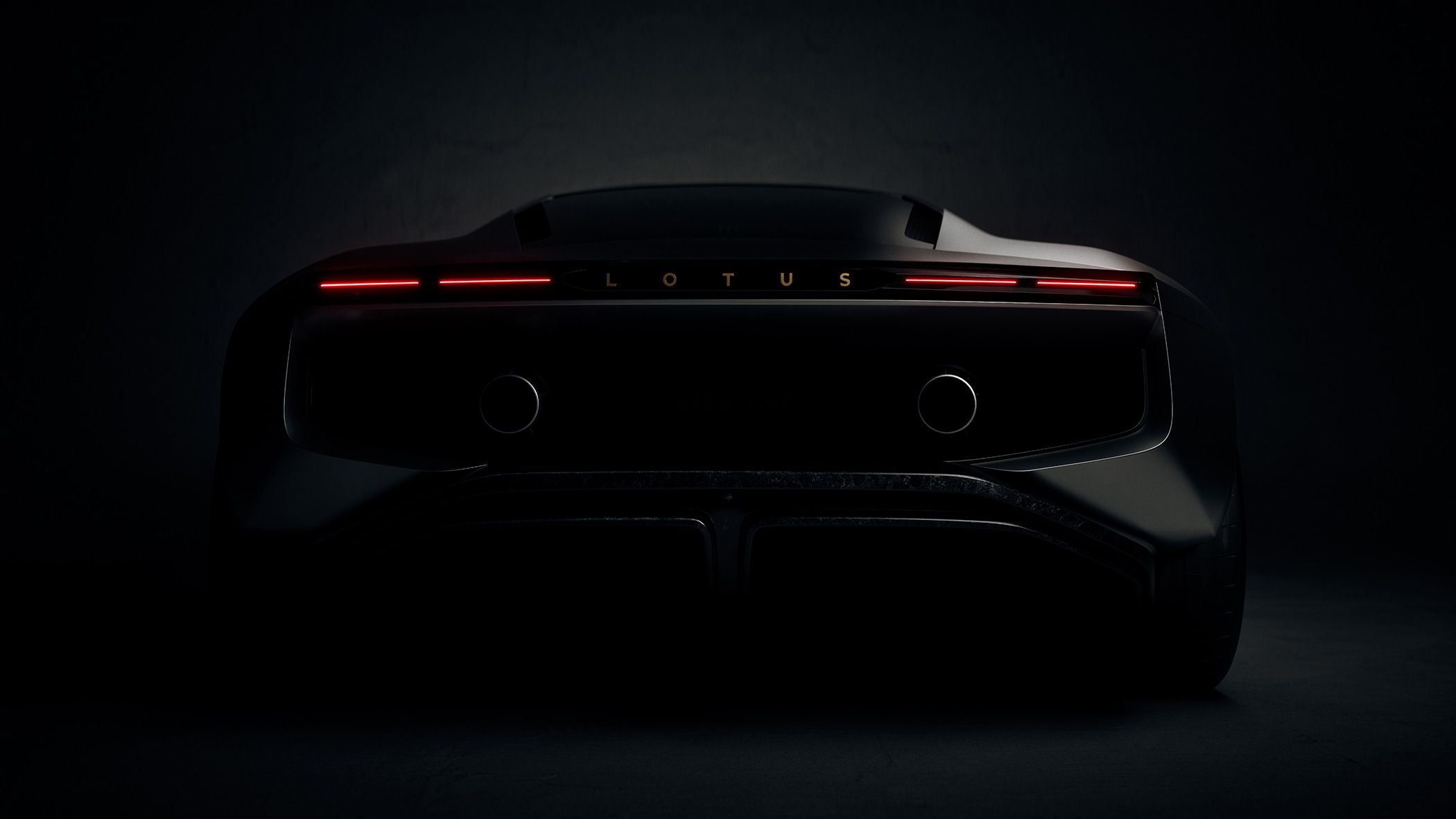
What is the Type 135 supercar and what makes it special?
The Type 135 is a new hybrid V8 supercar teased as part of the Focus 2030 announcement. While full specifications are still under wraps, the Type 135 is expected to combine a high-revving V8 engine with an electric motor and battery pack. This hybrid setup aims to deliver the visceral thrill of a traditional supercar while adding instant electric torque for quicker acceleration and lower emissions. Lotus suggests the Type 135 will be “a true driver’s car” that leverages the brand’s expertise in lightweight construction. The use of a hybrid V8 is a departure from the earlier pure-EV plans, and it positions the Type 135 to compete directly with models like the Ferrari 296 GTB and the upcoming hybrid V8 from Lamborghini. Production is likely to be limited, maintaining exclusivity.
Why is Lotus abandoning a pure EV strategy?
Lotus is not completely abandoning EVs but is pivoting to a more flexible approach. Several factors drove this decision. First, customer demand in the supercar segment still strongly favors internal combustion sounds and characteristics – a pure EV can lack the emotional engagement many buyers crave. Second, battery weight and range limitations remain challenges for high-performance applications, where every kilogram matters. Third, the competitive landscape shows that hybrid supercars from Ferrari, McLaren, and others are thriving. Lotus realized that a pure EV supercar might alienate traditionalists and hurt sales. The Focus 2030 roadmap therefore integrates electrification as a performance tool rather than a full replacement, allowing Lotus to offer hybrids alongside eventual EVs. This strategic shift mirrors broader industry trends where pure EV timelines have been extended.
How does the new strategy impact Lotus’s existing EV plans?
Existing EV models like the Emeya sedan and the Eletre SUV will continue to be developed and sold – Lotus isn’t scrapping EVs entirely. However, the urgency to convert its entire lineup to electric has been reduced. The Focus 2030 roadmap extends timelines for some fully electric models and allows for more hybrid options. The Type 135 supercar effectively replaces what might have been a pure EV flagship. For the mass-market segment, Lotus remains committed to electrification, but performance cars will likely see a mix of powertrains. This gives Lotus flexibility to evolve with market conditions and regulatory changes without being locked into a single technology. The company still sees EVs as important for volume models and in key markets like China.
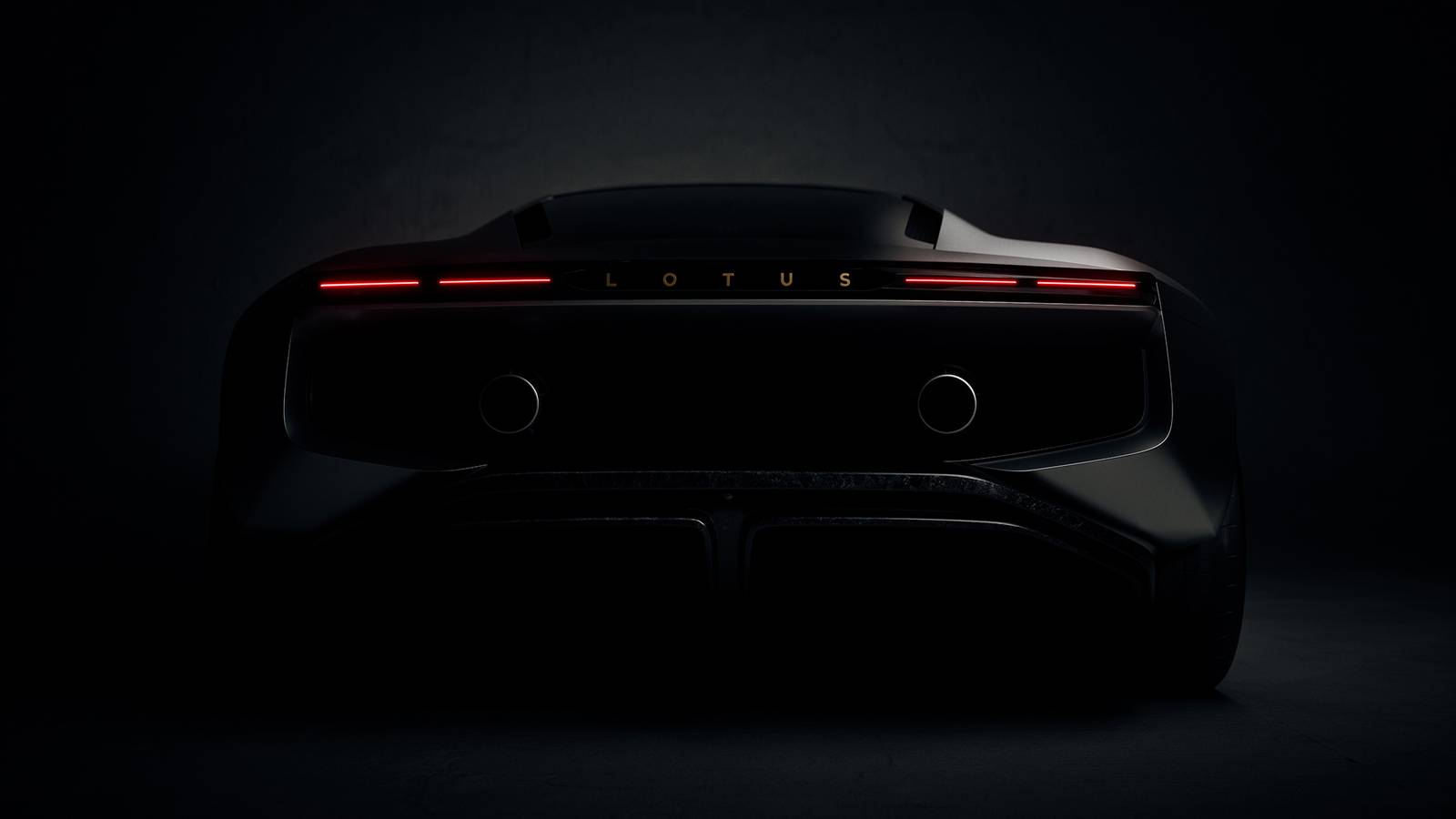
Will the Type 135 be the last V8 Lotus?
It’s too early to say definitively, but the Type 135 is likely part of a broader V8 hybrid family rather than a farewell. Lotus has not announced plans to retire the V8; in fact, the Focus 2030 roadmap suggests continued investment in combustion-engine development, especially in hybrid configurations. The V8 engine provides the character and sound that supercar buyers expect. However, as emissions regulations tighten globally, future V8s will almost certainly be hybrid-assisted to meet standards. Lotus may also explore downsized electrified powertrains for other models. For now, the Type 135 serves as both a celebration of the V8 and a showcase of how electrification can enhance it. Whether it’s the last purely combustion-focused V8 remains uncertain, but Lotus seems keen to keep the V8 alive as long as it makes business sense.
What does this mean for Lotus fans and the brand’s heritage?
For enthusiasts, the shift back to hybrid V8s is largely positive. Lotus’s heritage is built on lightweight, driver-focused cars with thrilling engines. A pure EV supercar, while technologically impressive, risked alienating those who love the brand’s analog roots. The Focus 2030 roadmap signals that Lotus values its history of engineering excellence and driver engagement. The Type 135 promises to blend Colin Chapman’s philosophy of “simplify, then add lightness” with modern electrification – adding power without excessive weight gain. By offering a hybrid, Lotus acknowledges that what many fans crave is the sensory experience of a great engine, not just raw speed. This move could help Lotus maintain desirability among collectors and driving purists while still innovating for the future.
Related Articles
- 6 Timeless Lessons on Getting Rich in America: Why Flexibility Beats Any Formula
- Unraveling Word2vec: A Deeper Dive into Its Learning Process
- The Evolution of IVF: A Step-by-Step Guide to How Technology Revolutionized Reproductive Medicine
- AI Efficiency May Be Silently Eroding Team Trust, Warn Researchers: The Hidden Cost of the 'Bug-Free' Workplace
- Unlocking Alzheimer’s Memory Recovery: A Guide to Targeting the PTP1B Protein Pathway
- Unearthing a Twisted-Jawed Fossil: A Step-by-Step Guide to the Tanyka amnicola Discovery
- Stargazing from Orbit: Understanding Airglow and the Milky Way from the ISS
- Adobe and Academic Partners Unveil Breakthrough in Video AI Memory Retention