10 Surprising Facts About When Your Strength and Fitness Begin to Decline
Imagine discovering that the key to maintaining your physical vitality begins decades earlier than you thought. A groundbreaking Swedish study, spanning nearly 50 years and tracking thousands of individuals, has revealed the precise age when strength, endurance, and overall fitness start their quiet retreat. The findings are both sobering and encouraging: while the decline begins as early as age 35, the study also shows that taking up activity later in life can boost physical performance by up to 10%. Here are 10 essential insights from this landmark research that could change how you approach your health journey.
1. The Silent Start: Decline Begins at Age 35
The study’s most striking revelation is that the body’s physical decline doesn’t wait until middle age or retirement. It begins around age 35—earlier than most people expect. Researchers observed that markers of strength, fitness, and muscle endurance all start to slip subtly during the mid-30s. This is not a dramatic drop; rather, it’s a gradual fading that goes unnoticed until later years. For instance, grip strength and cardiovascular capacity show measurable decreases from this age onward. The key takeaway? Don’t assume you’re invincible in your 30s. Your body is already sending signals, and ignoring them could accelerate the later decline.
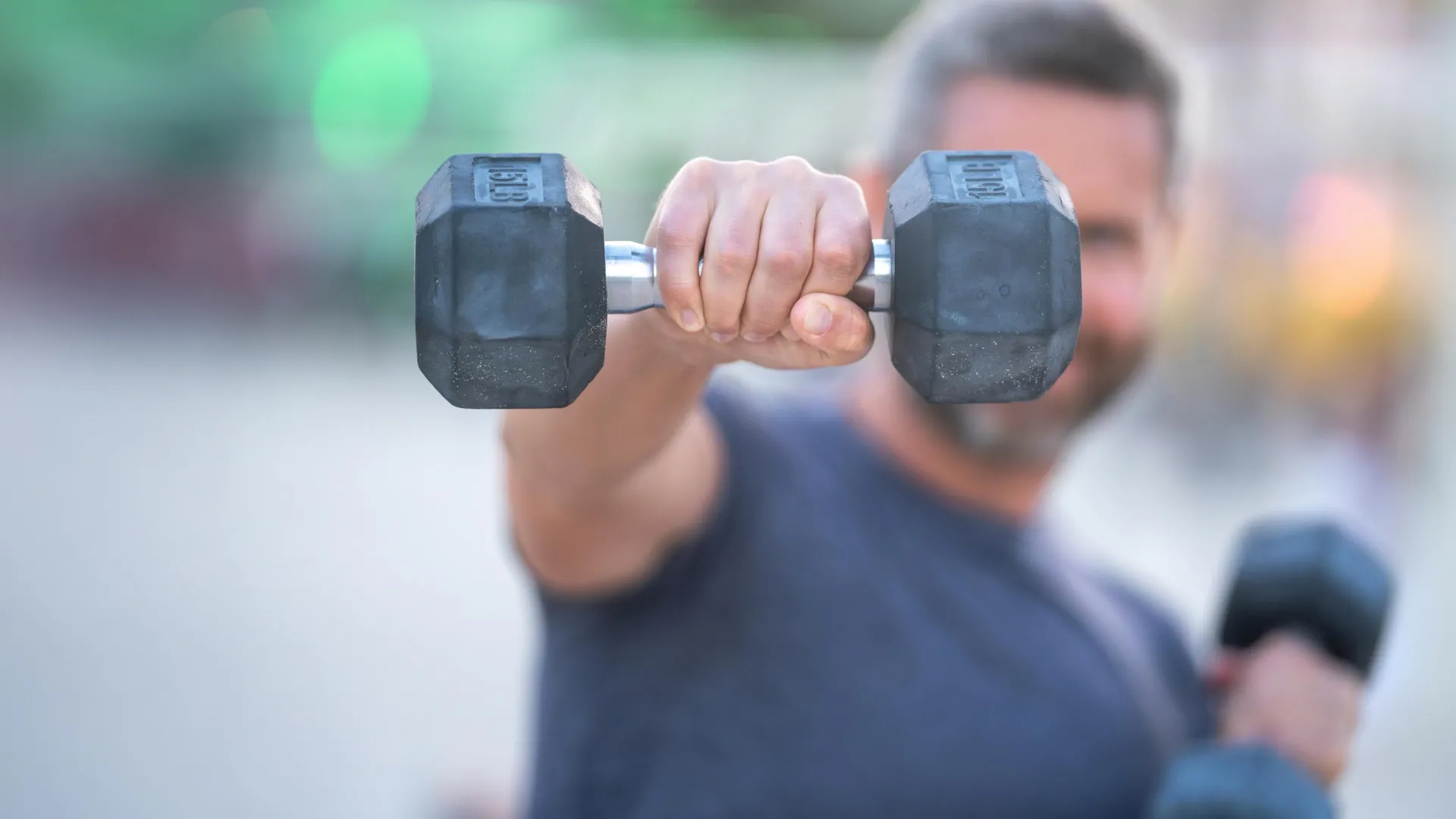
2. The 47-Year Window: How the Study Unfolded
This isn’t a quick snapshot—it’s a marathon of observation. Researchers in Sweden followed participants for nearly five decades, collecting data on physical performance at multiple points. This longitudinal approach allowed them to track changes within individuals over time, rather than comparing different age groups. The long timeline is crucial because it captures the slow, cumulative nature of aging. By the end, they had a detailed map of how fitness evolves from early adulthood into old age. The study’s length itself is a testament to the importance of patience in understanding human biology.
3. Three Key Measures: Strength, Fitness, and Endurance
The researchers focused on three specific areas that together paint a full picture of physical health: muscular strength (like how much you can lift), cardiovascular fitness (your heart and lungs’ efficiency), and muscle endurance (how long you can sustain activity). All three showed a similar pattern—a gentle decline starting in the mid-30s, followed by steeper drops later. Interestingly, endurance seemed to hold up slightly longer than strength, but the difference was minor. This triad matters because it covers both daily function and athletic performance.
4. The Encouraging Twist: Late Starters Gain 10%
Here’s the good news: it’s never too late to start. Adults who became active later in life—even in their 40s or 50s—still improved their physical performance by an average of 10%. That improvement wasn’t just in one measure but spread across strength, fitness, and endurance. This finding demolishes the myth that you must be fit in your youth to be fit later. The body retains the ability to adapt and grow stronger, no matter when you begin. So if you’ve been sedentary, take heart: a 10% boost is significant and can add years of functional mobility.
5. From Drip to Downpour: Acceleration Over Time
While the decline starts slowly at age 35, it doesn’t stay that way. The research clearly shows that the rate of decline accelerates as you get older. Think of it as a leaky faucet: a drip in your 30s becomes a steady stream in your 50s, and a rush in your 70s. For example, grip strength may drop only a few percent per decade early on, but after 60, the loss picks up speed. This acceleration explains why someone who was fit at 50 can suddenly struggle at 70. Early intervention—like starting or maintaining exercise—can flatten that curve.
6. Why Muscle Endurance Fades Differently
Although all measures decline, muscle endurance—the ability to perform repeated contractions—shows a slightly delayed decline compared to pure strength. The study suggests that endurance may rely more on neuromuscular coordination and energy systems that are somewhat resilient to aging. However, once it starts falling, it falls hard. This is why activities like walking or cycling often remain possible longer than heavy lifting. But don’t overinterpret: endurance still needs consistent practice. The message is to train all three areas, not just one.
7. The Role of Genetics vs. Lifestyle
While genetics certainly play a part, the study highlighted that lifestyle choices had a larger impact than many expected. Participants who remained active throughout their lives slowed down the decline significantly, while those who were sedentary experienced faster losses. The 10% gain in late starters further underscores that lifestyle can override genetic predisposition. In other words, your daily habits—not your DNA—are the main driver of how quickly you lose strength and fitness. This empowers everyone to take control.
8. The Hidden Danger of Sedentary Middle Age
One alarming pattern emerged: many people in their 40s and 50s believed they were “fine” because they hadn’t noticed any decline. But the data showed that losses were already underway, masked by the body’s compensation mechanisms. For example, a slight decrease in leg strength might be unnoticed because you use different muscles to climb stairs. This hidden decline sets the stage for steeper drops later. The study implies that regular testing—like a simple grip strength test or a timed walk—can reveal early changes before they become problems.
9. What You Can Do: Practical Steps at Any Age
Knowing the science is useless without action. Based on the study, experts recommend a combination of resistance training to maintain strength, aerobic exercise for cardiovascular fitness, and flexibility work to preserve range of motion. Even 30 minutes of brisk walking three times a week can yield the 10% improvement seen in late starters. The key is consistency—the benefits appear gradually and compound over time. Don’t try to be a hero; start where you are and gradually increase intensity.
10. The Big Picture: Redefining Aging
Finally, this study reframes aging not as an inevitable slide, but as a process we can influence. The line “it’s too late” is a myth. Whether you’re 35, 55, or 75, your body is capable of improvement. The 47-year dataset proves that physical decline is not a straight line—it’s a curve that can be bent by smart habits. So the next time you think about skipping a workout, remember that every bit of activity adds to your reservoir of vitality. Your future self will thank you.
In conclusion, the Swedish study delivers a powerful message: strength and fitness begin to fade around 35, but you can slow that fade at any age. The evidence is clear—taking action later in life still yields real, measurable gains. So whether you’re a lifelong athlete or just starting out, the path to preserving your physical self is open. The only question is: will you take the first step?
Related Articles
- How to Defend Your Website Against the Rising Tide of Bot Traffic
- DAMPE Mission Reveals Universal Energy Break in Cosmic Rays at 15 TeV
- Step-by-Step: How NASA Gets the Roman Space Telescope Ready for Liftoff
- Sound-Based Quantum Communication Breakthrough: Single Phonon Coupled to Atom Spin
- From Inspiration to Launch: Anton Kiriwas and NASA's Artemis Missions
- How Oxford Physicists Achieved the First Quadsqueezing: A Step-by-Step Guide to the Breakthrough
- Behind the Proxy: What the Gentlemen RaaS and SystemBC Reveal About Modern Ransomware Attacks
- How to Automate Failure Attribution in LLM Multi-Agent Systems: A Step-by-Step Guide