Inside the Tech Revolution: How Unreal Engine Transformed Disney's Buzz Lightyear Ride
With the release of Toy Story 5 on the horizon, Walt Disney Imagineering has unveiled a groundbreaking overhaul of the classic Buzz Lightyear's Space Ranger Spin attraction at Magic Kingdom. We spoke with software lead Evan Klein to explore the real-time ride system, dynamic gameplay, and the careful balance between innovation and nostalgia. Below, we answer the most pressing questions about this high-tech upgrade.
1. What major technological overhaul has been applied to Buzz Lightyear's Space Ranger Spin?
The iconic dark ride has undergone a complete technical revamp, shifting from a traditional animatronic-based system to a real-time, networked ride platform powered by Unreal Engine. Every ride vehicle now functions as an independent gaming node, communicating with a central server to deliver dynamic, personalized experiences. The new system replaces the older, static ride logic with a fully interactive environment where in-cabin displays, targets, and sound effects respond in real time to guest actions. This transformation allows for on-the-fly adjustments to difficulty, storyline branching, and even multi-rider collaboration, all powered by the same engine used in AAA video games.
2. How does the new Unreal Engine-powered ride system change the guest experience?
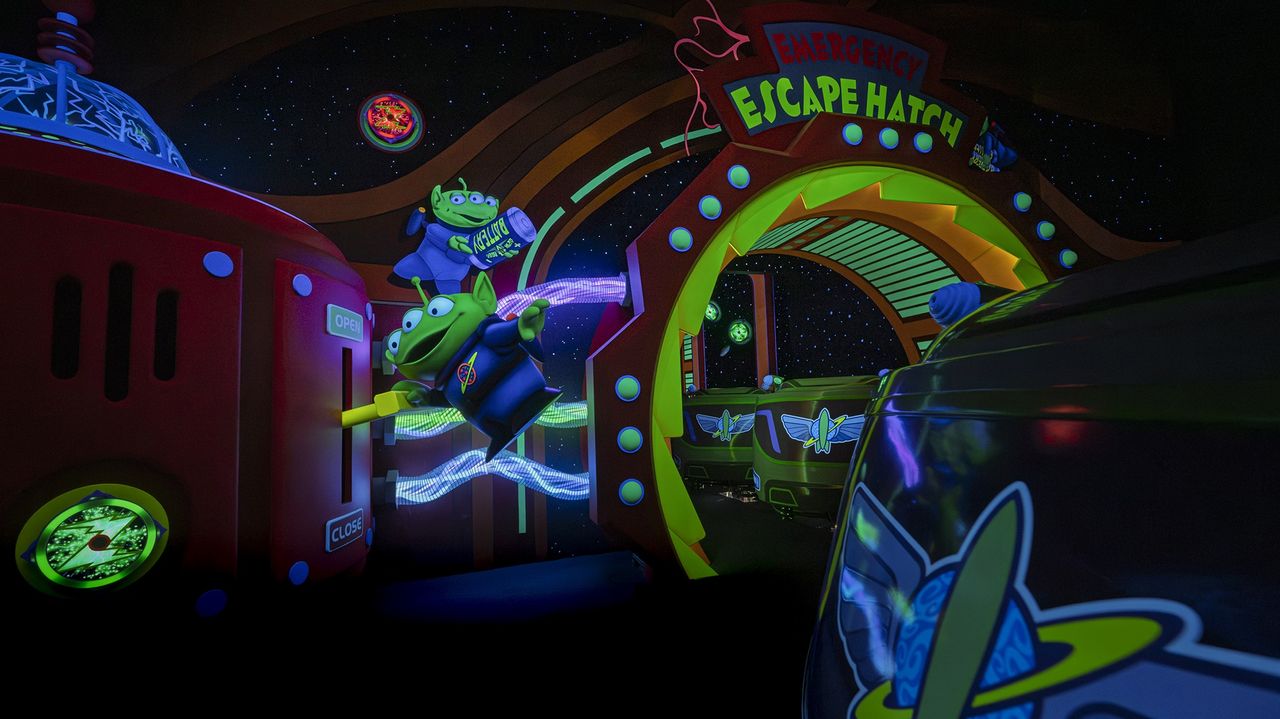
Guests now step into a more immersive and responsive adventure. Instead of a fixed sequence of events, each ride-through can vary based on how well riders shoot targets, how quickly they complete mini-missions, or even how many people are in the vehicle. The dynamic gameplay systems include real-time scoring that feeds back into the environment—lights flicker, soundtracks shift, and alien figures react to your hits. The ride vehicles themselves are equipped with high-fidelity sensor arrays and haptic feedback, making every shot feel more tangible. The goal, according to Klein, was to preserve the original attraction's whimsical charm while adding a layer of unpredictability that encourages repeat visits.
3. Why did Walt Disney Imagineering choose Unreal Engine for this ride upgrade?
Evan Klein explained that Unreal Engine was selected for its proven track record in real-time rendering and its flexibility in handling complex, multi-threaded tasks. The engine provides a robust framework for synchronizing dozens of ride vehicles simultaneously, ensuring that each guest has unique interactions without system lag. Moreover, Unreal's visual scripting tools allowed the Imagineering team to rapidly prototype and iterate on gameplay concepts—something that would have been far more time-consuming with proprietary software. Klein noted that using a widely adopted engine also simplifies future updates, as new features or Toy Story 5-themed content can be added without rewriting the entire software stack.
4. What are some of the dynamic gameplay systems now featured in the attraction?
The attraction boasts several new gameplay layers. A networked target performance system tracks each shot's accuracy, velocity, and reaction time, adjusting the difficulty of enemy spawns in real time. Cooperative modes allow riders in different vehicles to combine their scores for bonus effects, like a massive alien boss that only appears when cumulative team goals are met. Additionally, the vehicles now support a 'quest loop' that can change across rides—for example, one visit might require you to defend a particular planet, while the next focuses on rescuing misplaced little green men. These variations are powered by Unreal Engine's modular backend, enabling the ride to feel fresh without major physical reconfiguration.
5. How do the networked targets work in the updated ride?
Every target in the ride is now a smart object with its own identifier, linked wirelessly to a central game server. When a guest's blaster beam hits a target, the system immediately verifies the shot, logs the points, and can trigger cascading effects—such as opening a hidden path or causing a nearby display to play a victory animation. The ride vehicles themselves act as mobile game consoles, relaying data via a dedicated Wi-Fi 6 mesh network. This architecture supports up to 200 simultaneous interactions per second, ensuring that even when the ride is fully loaded, every guest's shots are processed with near-zero latency. Klein emphasized that this network was crucial for maintaining fairness and immersion across all vehicles.
6. How does this upgrade tie into the upcoming Toy Story 5 film?
The timing of the overhaul is intentional. Walt Disney Imagineering collaborated closely with Pixar to ensure that the ride's new digital content—including voice lines, animation sequences, and enemy designs—aligns with the visual style and narrative of the forthcoming movie. While the ride remains a standalone experience, guests may encounter story elements or characters that preview themes from Toy Story 5. For example, a new villain robot boss is programmed to appear at random intervals, using attack patterns inspired by the film's antagonists. Klein hinted that more movie-specific updates could be deployed seamlessly via the Unreal Engine infrastructure once the film premieres.
7. What challenges did the Imagineering team face in modernizing the classic attraction?
One of the biggest hurdles was integrating cutting-edge tech without disrupting the ride's nostalgic feel. The team needed to replace outdated control systems while keeping beloved physical sets and animatronics intact. Software conflicts between legacy hardware and new sensor arrays required custom middleware to translate signals. Klein also cited the challenge of ensuring reliability: a theme park ride operates 16+ hours a day, 365 days a year, so the Unreal engine had to be hardened against crashes and memory leaks. Extensive stress tests were run with simulated full loads to guarantee that the dynamic gameplay wouldn't cause ride evacuations or downtime. Despite these obstacles, the team succeeded in what they call a 'soulful upgrade'—familiar to returning guests, yet thrilling for first-timers.
8. How does the new system maintain the 'soul' of the original ride while leveling it up?
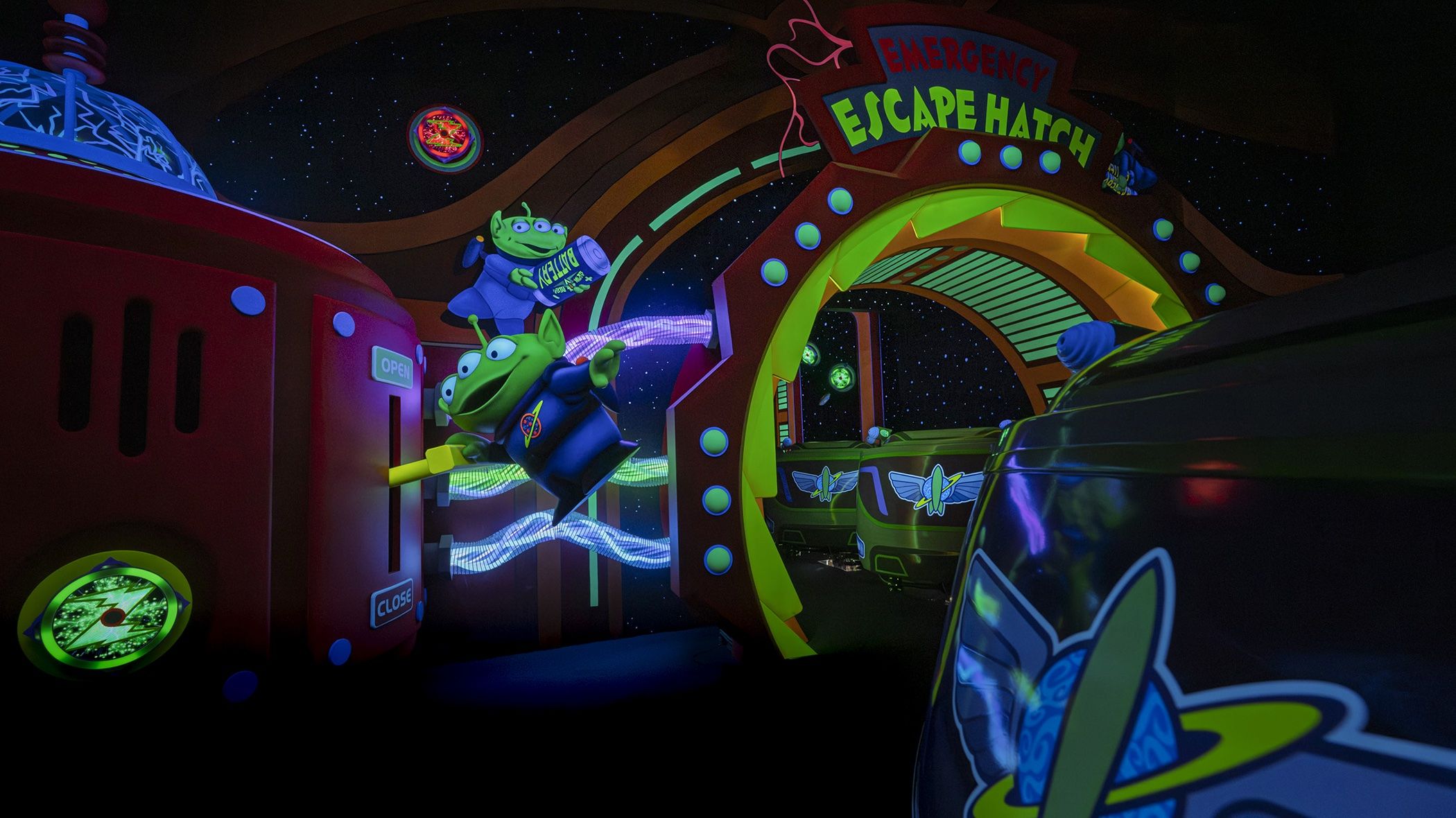
According to Evan Klein, the mantra throughout development was 'innovate with intention.' Every digital enhancement—from the real-time scoring to the networked targets—was designed to amplify the existing spirit of fun, competition, and space adventure. The physical ride's aesthetic remains unchanged: the same neon lights, alien scenes, and Buzz Lightyear voice-overs are all present. But now, the ride reacts to you. If you're a skilled sharpshooter, the difficulty ramps up; if you're a first-timer, the system subtly makes targets easier to hit. The goal was not to replace the classic experience but to deepen it, turning passive viewers into active participants. Klein remarked, 'We tried to keep the soul of the original attraction, but level it up for a generation that expects interactivity.'
Related Articles
- AWS Cloud Marks 20 Years of Unprecedented Innovation and Growth
- How to Safeguard Your Location Privacy: Lessons from the Kochava Case
- 10 Essential Facts About Kubernetes Volume Group Snapshots Reaching GA in v1.36
- Accessibility Emergency: Digital Design Failures Pose Life-Threatening Risks Despite Good Intentions
- Kubernetes SELinux Volume Changes Go GA: Prepare for v1.37 Default
- 7 Essential Lessons from a Tech Pioneer: Gratitude, Community, and the Future of AI
- macOS 27: What’s New in the UI Refinement and How It Fixes Tahoe Issues
- EdTech Oversight Under Fire: States Move to Certify School Software Amid Screen Time Fears