Inside Apple's Foldable iPhone Hurdles: Hinge Reliability, Liquid Metal, and Crease Solutions
Apple's journey toward a foldable iPhone—rumored to be dubbed the 'iPhone Ultra'—has hit a critical snag in the form of hinge durability. Recent leaks detail mechanical wear issues during testing, innovative materials like liquid metal, and clever display engineering to minimize creasing. Here's everything we know so far, from the latest setbacks to the expected 2026 launch timeline.
1. What specifically is causing the foldable iPhone's production stall?
The core problem lies with the hinge mechanism. According to a leaker known as 'Instant Digital' on Weibo, the hinge fails to meet Apple's rigorous quality standards under prolonged, high-frequency opening and closing. The wear is described as a mechanical fatigue issue that 'must be resolved with absolute perfection; otherwise, progress will simply have to be stalled for the time being.' This engineering hurdle has halted trial production while Apple works to perfect the component.
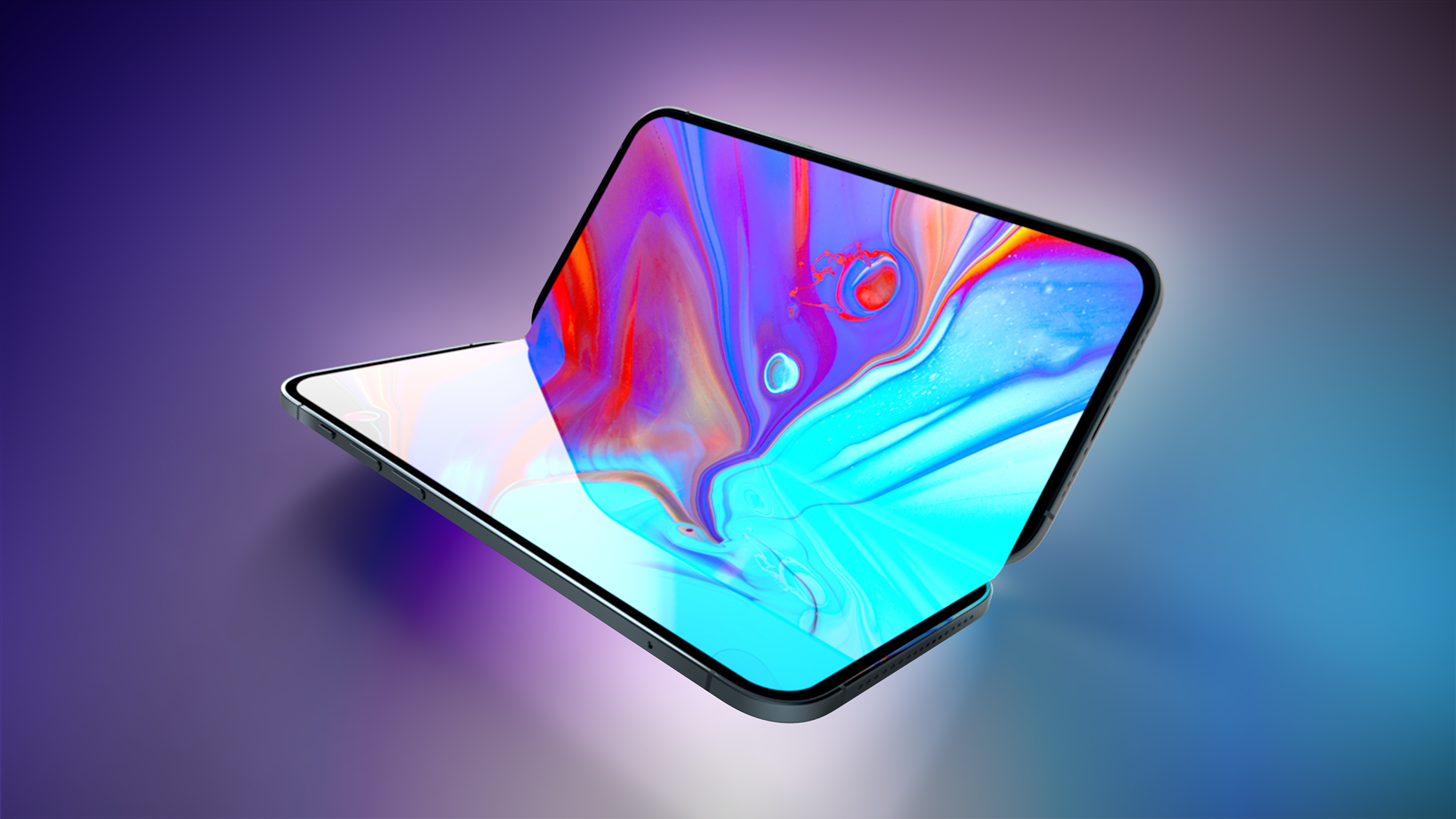
2. How does liquid metal help in making a more durable hinge?
Apple has chosen liquid metal (also called metallic glass or amorphous alloy) for the hinge, supplied exclusively by Dongguan EonTec. This material has a disordered atomic structure, making it more resistant to bending and deformation than traditional metals and even more durable than titanium alloy. Apple has used liquid metal only in small parts like SIM ejector pins before, so the iPhone Ultra would mark its first major use in a critical mechanical component. The company has been exploring this material for over 15 years, starting with a 2010 licensing deal with Liquidmetal Technologies.
3. What about the screen crease—has Apple solved it?
Screen creasing has long been a challenge for foldable phones. Instant Digital says Apple has accepted some crease as inevitable, but test results show the device can maintain a visually crease-free state over time. To achieve this, Apple is reportedly using a dual-layer ultra-thin glass structure that spreads mechanical stress across multiple layers, along with advanced optically clear adhesive to keep display layers precisely aligned. Earlier reports from leaker 'Fixed Focus Digital' indicated production orders required a crease depth under 0.15mm and a crease angle under 2.5°—specs Apple pursued regardless of cost.

4. When is the foldable iPhone expected to launch?
Despite the hinge difficulties, the timeline doesn't appear significantly delayed. DigiTimes reported in April that production was running roughly one to two months behind schedule, but a fall 2026 launch is still on track, with mass production expected to begin in July. Apple is anticipated to announce the foldable iPhone alongside the iPhone 18 Pro models at its September event, though customer availability could slip as late as December. The leaker noted there's still ample time remaining to resolve the hinge issues.
5. What other sources confirm the liquid metal hinge plans?
Supply chain analyst Ming-Chi Kuo first reported that the device would use liquid metal components in the hinge, naming Dongguan EonTec as the exclusive supplier. This was later corroborated by a January report that highlighted Apple's long-standing interest in the material, dating back to a 2010 licensing deal with Liquidmetal Technologies. The use of liquid metal in a critical moving part is a first for Apple, which previously only used it in tiny components like SIM ejector pins.
Related Articles
- React Native 0.82: 6 Key Changes That Redefine Mobile Development
- DeepMind Staff Vote to Unionize, Citing Concerns Over AI Use in Military Operations
- AWS Cloud Marks 20 Years of Unprecedented Innovation and Growth
- Everything About In a first, a ransomware family is confirmed to be quantum-safe
- Why Border Searches of Phones and Laptops Should Require a Warrant: Key Questions Answered
- Rapid AI-Generated Code Risks Catastrophic Failures in IoT Systems, Experts Warn
- Beyond Binary: Why Online Interactions Require More Than Bot Detection
- 5 Essential Insights from Chris Parsons' Third AI Coding Guide Update