The Bitcoin Community's Role in Distributing a Censored Documentary: Dorsey and Jarecki Weigh In
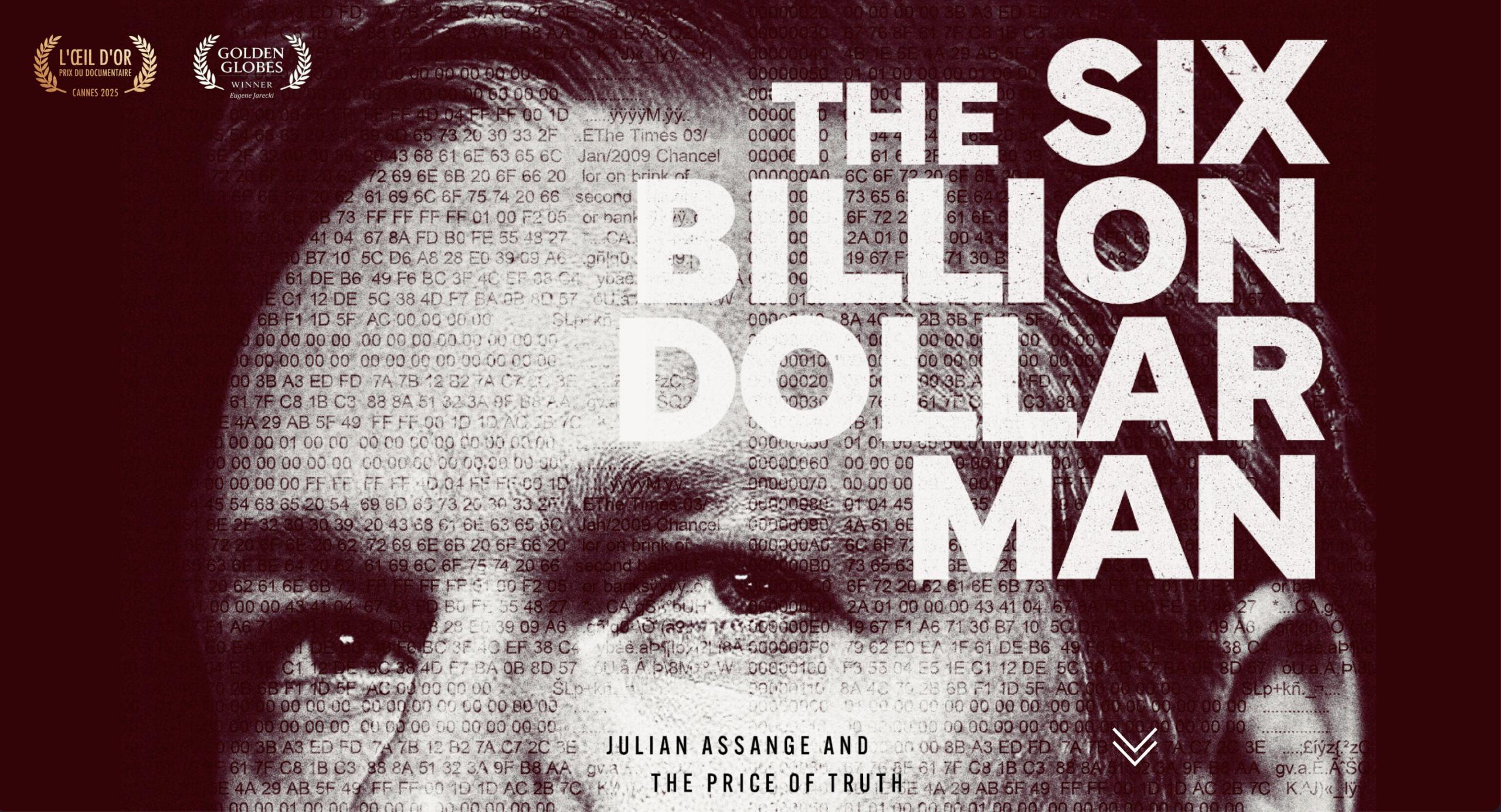
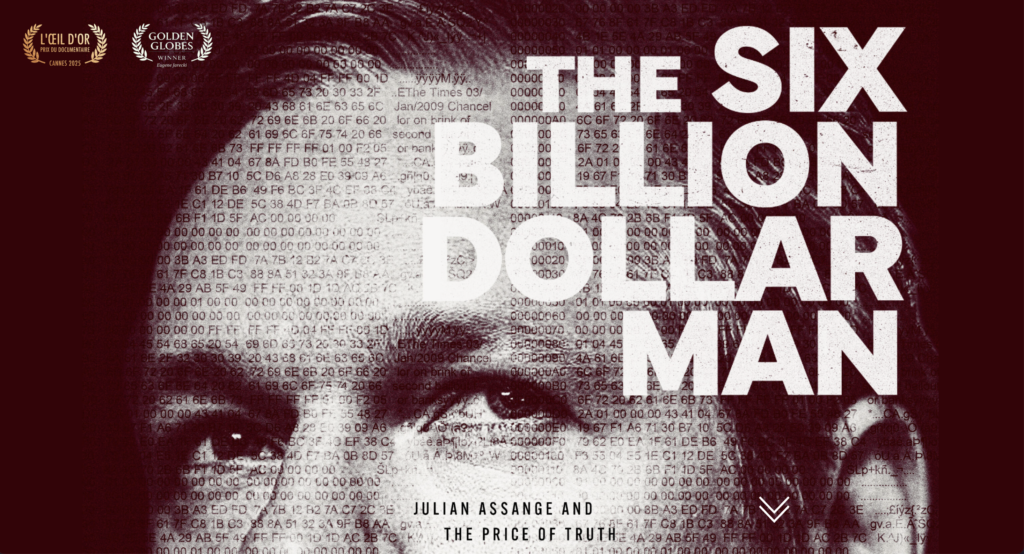
At a recent panel discussion, filmmaker Eugene Jarecki and tech entrepreneur Jack Dorsey explored the intersection of Bitcoin, free speech, and the controversial documentary The Six Billion Dollar Man. The film, which chronicles Julian Assange's story, was rejected by major streaming platforms despite critical acclaim. Dorsey proposed an unconventional solution: leverage the Bitcoin community not just as funders, but as a distribution network built on the same principles of openness and resistance to censorship that Assange championed. Below, we break down key insights from their conversation into a Q&A format.
Why did major streaming platforms refuse to distribute Eugene Jarecki's documentary on Julian Assange?
Jarecki's film, The Six Billion Dollar Man, premiered at the prestigious Cannes Film Festival and earned recognition on the festival circuit. Yet, every major streaming platform — Netflix, Amazon, Hulu, and others — declined to pick it up. The filmmaker attributes this to the controversial nature of his subject: Julian Assange, the WikiLeaks founder currently embroiled in legal battles with the U.S. government. Jarecki believes the platforms feared backlash from political pressure or corporate ties. For instance, he noted that the casino near the panel venue had connections to the private security firm that spied on Assange in the Ecuadorian Embassy — a detail highlighted in the documentary. This environment of corporate caution and surveillance made traditional distribution channels unavailable, forcing Jarecki to seek alternative routes.
What did Jack Dorsey propose instead of writing a check for the film?
When Jarecki approached Jack Dorsey for funding, the Twitter co-founder shifted the conversation away from direct financial support. Instead, Dorsey argued that the Bitcoin community itself could act as a distribution engine. He described this community as a constituency built around principles like openness, resistance to censorship, and decentralization — values Assange fought to defend. Dorsey emphasized that Bitcoin is "an open protocol for money transmission" that "routes around gatekeepers" such as Visa, Mastercard, and banks. By tapping into this network, Jarecki could bypass traditional gatekeepers and reach audiences directly. Dorsey's vision was less about charity and more about aligning the film's distribution with the ethos of the very people who would empathize with Assange's plight.
How did Bitcoin serve as a lifeline for WikiLeaks in 2011, and why is that moment significant?
In 2011, under pressure from the U.S. government, major financial institutions like Visa, Mastercard, PayPal, and Bank of America cut off donations to WikiLeaks. This effectively tried to starve the organization of funds. Bitcoin stepped in as the only payment rail that could not be blocked, allowing donations to flow freely. Jack Dorsey called this adoption "one of the most significant moments in the protocol's early history." The significance lies not in careful planning but in the real-world demonstration of Bitcoin's core value: it is a censorship-resistant, permissionless system. Under state pressure, when all traditional channels failed, Bitcoin proved it could operate as a neutral, open network. This event became a proof of concept for the broader mission of decentralized finance and communication.
What parallel did Dorsey draw between Satoshi Nakamoto and Julian Assange?
Dorsey highlighted a crucial difference between the two figures. While both challenged centralized power, Satoshi Nakamoto's decision to walk away from Bitcoin is what Dorsey called a "selfless act." By making the network founderless, Satoshi ensured Bitcoin could not be targeted by governments or institutions through its creator. In contrast, Assange and Edward Snowden — whom Dorsey grouped together — trusted the technologies they used, put their lives at risk for principles larger than themselves, and paid a heavy price. Dorsey implied that Satoshi's anonymity is a strength; Assange's public identity made him vulnerable. The comparison underscores the idea that decentralized systems are more resilient when no single person stands as a point of failure or pressure.
What risks did Jarecki face while making the documentary, and how does this connect to broader themes of surveillance?
Jarecki disclosed that while filming in Russia, his crew felt they were being followed and monitored — a layer of surveillance that mirrors the documentary's subject matter. The film itself places surveillance at the center of its narrative, exposing how the private security firm spied on Assange inside the Ecuadorian Embassy. Jarecki's experience underscores the chilling reality faced by journalists and filmmakers who tackle topics that threaten powerful interests. The parallel between his personal risk and Assange's ordeal reinforces the film's argument: that surveillance is not just a tool of state control but a mechanism used by private corporations in tandem with governments to silence dissent. This theme resonates deeply with the Bitcoin community's own fight against financial surveillance.
How does Jack Dorsey view the Bitcoin community's alignment with Assange's values?
Dorsey described the Bitcoin community as one that views Assange as a hero — someone who stood for the idea that information should remain free and open. These values, Dorsey said, trace back to the founding culture of the internet itself, which was built on openness and permissionless innovation. Bitcoin, as an open protocol for money, embodies that same spirit by removing gatekeepers. Dorsey argued that the community is a natural constituency for Assange's cause because they understand firsthand the importance of protocols that resist censorship. By supporting the film's distribution, the Bitcoin community would not just be helping a filmmaker; they would be advancing a shared ethos of decentralized power and resistance to surveillance capitalism.
What broader implications does this film's distribution dilemma have for the Bitcoin movement?
The rejection of Jarecki's film by mainstream platforms illustrates a systemic problem: centralized gatekeepers can decide what content reaches the public. This mirrors the financial gatekeeping that Bitcoin was designed to circumvent. If the Bitcoin community can successfully distribute a documentary that was otherwise suppressed, it would serve as a powerful real-world case study. It would show that open networks — whether for money or information — can route around censorship. Such an outcome could inspire others to use Bitcoin not just for transactions but as a tool for political and artistic expression. The dilemma thus becomes a rallying point: proving that the values of decentralization are not just theoretical but practical in preserving free speech and challenging surveillance.
Related Articles
- Mastering Signal: A Step-by-Step Privacy Guide
- Apple Reports Strong Q2 2026 Earnings: What You Need to Know
- Microsoft Unveils Layered Security Blueprint for Azure IaaS: Defense in Depth Redefined
- Amazon Expands AI-Powered Price History to Full Year Ahead of Prime Day Amid Antitrust Scrutiny
- 10 Essential Steps to Counter Digital Surveillance Abuses in the Americas: A Guide Based on Human Rights Norms
- Johnson's Last-Minute Surveillance Bill Draws Fire as Privacy Protections Fall Short
- 7 Critical Things You Must Understand About Canada’s Bill C-22 Surveillance Law
- AirTag Stalking Lawsuits: 30+ Cases Filed After Class Action Denial