Exploring Recent CSS Innovations: From Clip-Path Puzzles to View Transitions and Beyond
In the ever-evolving world of web development, new CSS features and tools are constantly reshaping how we build and design websites. This article dives into some of the most intriguing recent developments, from creative uses of clip-path to a toolkit for view transitions, the debate over scoping methods, the underutilized power of subgrid, and a growing movement to replace JavaScript with CSS. Let's explore.
The Art of Clip-Path: From Jigsaw Puzzles to Rounded Polygons
One of the most creative demonstrations recently came from Amit Sheen, who built a fully interactive jigsaw puzzle using nothing but CSS's clip-path property. While you might not need to create a puzzle any time soon, his walkthrough is an excellent way to understand the versatility of this powerful CSS feature, which is gaining popularity day by day.
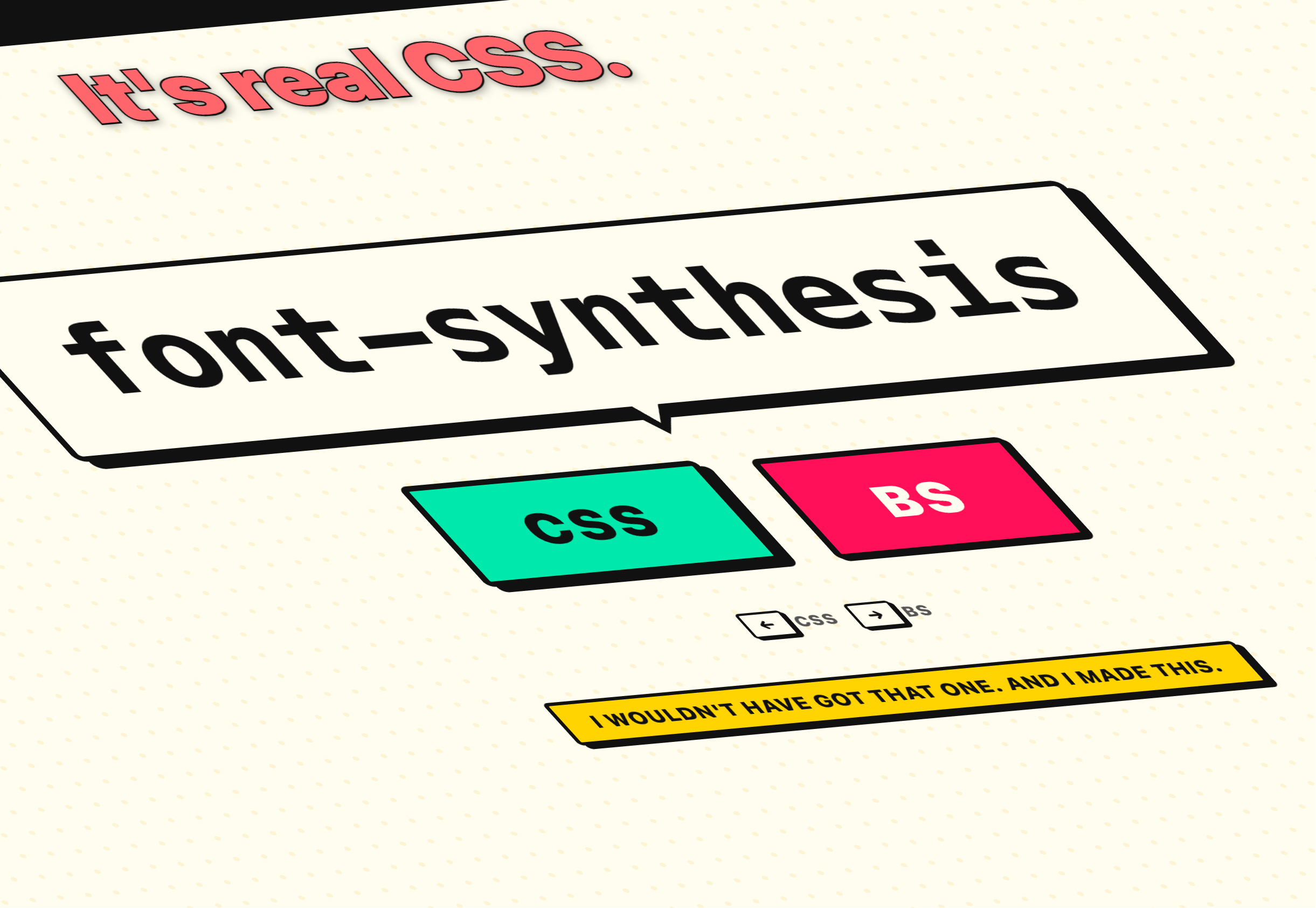
New Possibilities: Rounded Polygons and Corner Shapes
Just last week, Chrome Canary introduced support for rounded clip-path polygons. As noted by developer yisibl, enabling the enable-experimental-web-platform-features flag in Chrome Canary allows you to experiment with this feature. There are also discussions about adding other corner-shape keywords like bevel, further expanding the design possibilities.
If you missed Karl Koch's earlier demos, his clip-path animations showcase just how dynamic this property can be.
Streamlining View Transitions with a New Toolkit
The Chrome Developer Relations team has released a view transitions toolkit, a collection of utilities to simplify working with the View Transitions API. Since Chrome shipped element-scoped view transitions only last month, now is the perfect time to explore this toolkit. One standout demo on the site elegantly demonstrates transitions between page states, making it easier to create smooth, native-like experiences on the web.
Name-Only Containers vs. @scope for CSS Scoping
CSS scoping is a hot topic, and Chris Coyier recently examined the use of name-only containers for scoping, comparing them with classes and the newer @scope rule. Personally, I find @scope preferable because it keeps HTML cleaner. Interestingly, Chris appears to have updated his stance to align more with @scope as well. However, the choice ultimately comes down to personal preference—what works best for your project's structure?

The Overlooked Power of Subgrid
Once one of the most anticipated CSS features, subgrid became Baseline Newly Available over two and a half years ago—yet it has barely made an impact on the CSS landscape. This is unfortunate, because subgrid can help you break out of grids properly, avoiding nested wrappers, negative margins, and other workarounds. Fortunately, David Bushell offers a very simple explanation that demystifies subgrid and shows how to use it effectively.
You Might Not Need…JavaScript?
Remember the You Might Not Need jQuery movement? Pavel Laptev has a similar idea with The Great CSS Expansion, highlighting CSS alternatives to JavaScript libraries (and even vanilla JavaScript) that are smaller and more performant. It's a refreshing reminder that CSS continues to absorb tasks traditionally handled by JS, enabling lighter, faster web pages.
Missed Hits: Chrome 147 and New CSS Features
We wrap up with a few notable updates from recent browser releases:
- Chrome 147 is now rolling out with several enhancements.
- The
contrast-color()function is now Baseline, making it widely available for setting text color based on background contrast. - The
border-shapeproperty remains unsupported in Safari and Firefox, so use with caution. - A new CSSPseudoElement JavaScript interface has been introduced, offering better scripting access to pseudo-elements.
These updates, along with the tools and techniques above, show that CSS is more powerful than ever. Whether you're building a jigsaw puzzle, crafting smooth transitions, or simplifying your codebase, there's always something new to explore.
Related Articles
- Speed Up AI Development with Runpod Flash: A Step-by-Step Guide to Eliminating Docker Containers
- Run Your Own AI Image Generator: Local Setup with Docker & Open WebUI
- SAP and Microsoft: Transforming Enterprise AI on Azure at Sapphire 2026
- Breakthrough: AWS and Anthropic Deepen AI Partnership With Claude on Trainium; Meta Commits to Graviton
- PostgreSQL in the Cloud: Your Questions Answered on Its Evolution and AI Future
- 10 Reasons Why PostgreSQL Is the Future of Cloud and AI
- Kubernetes v1.36 Alpha: Pod-Level Resource Managers for Better Performance and Efficiency
- Empowering Multi-Tenant Platforms with Dynamic Workflows: Cloudflare's New Durable Execution