OnePlus and Realme Merge in Shock Restructuring Amid Global Pullback
Breaking News: OnePlus has been merged with its sibling brand Realme, including its operations in China, according to multiple reports — signaling a dramatic consolidation within the BBK Electronics family as OnePlus continues to retreat from global markets.
Sources familiar with the matter confirm that the integration is already underway, with OnePlus teams being folded into Realme's structure. The move follows months of mounting evidence that OnePlus was scaling back its international presence, including store closures and reduced marketing.
“This is effectively the end of OnePlus as a stand-alone brand,” said tech industry analyst Ming-Chi Kuo. “BBK is rationalizing its portfolio to cut costs and focus on Realme and Oppo, which have much higher volumes.”
Background
OnePlus, founded in 2013, quickly gained a loyal following for its powerful, affordable “flagship killer” phones. However, in recent years, the brand lost its edge amid rising prices and increased competition from Xiaomi and Samsung.
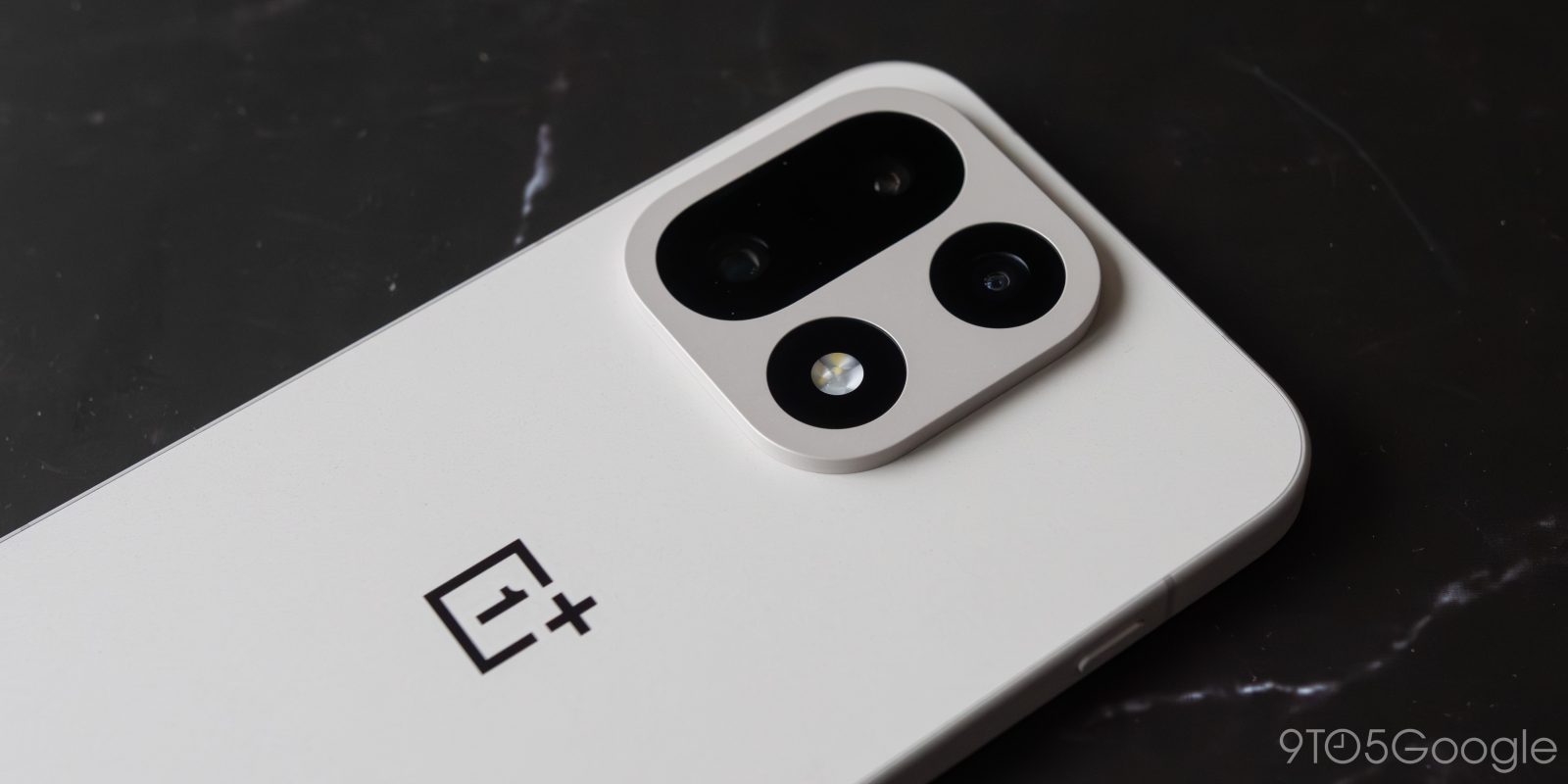
Parent company BBK Electronics also owns Oppo, Vivo, and Realme. OnePlus and Oppo had already merged their R&D and supply chains in 2021. Now, the remaining operations — including product development and sales — are being absorbed by Realme.
The merger includes OnePlus’s China business, which was already tightly integrated with Oppo. Global regions like Europe and India — where OnePlus had strong market share — will also be affected, though specific timelines remain unclear.
“Internally, this has been seen as inevitable for months,” said a former OnePlus employee who spoke on condition of anonymity. “The brand was essentially being hollowed out.”

What This Means
For consumers: Existing OnePlus devices will likely continue to receive software support for the short term, but new OnePlus-branded products are expected to be phased out. Future devices may carry the Realme logo with OnePlus design DNA.
For the smartphone market: The consolidation reduces competition in the “premium mid-range” segment. Realme, already known for aggressive pricing, may fill the gap with more affordable flagships. However, some analysts warn that brand loyalty could suffer.
“OnePlus had a unique identity — it stood for developer friendliness and a clean software experience,” said Patrick Moorhead, principal analyst at Moor Insights & Strategy. “Absorbing that into Realme risks alienating a core community.”
BBK Electronics has not issued an official statement, but the company is reportedly planning a formal announcement within weeks. The merger is part of a broader push to streamline operations as the global smartphone market faces its steepest decline in years.
Update: This is a developing story. Check back for details on how the merger affects specific markets and device launches.
Related Articles
- Google Urges Pixel Users to Activate Overlooked Emergency Feature Immediately
- Malicious Ruby Gems and Go Modules Target CI/CD Pipelines in Sophisticated Supply Chain Attack
- Facebook Unveils AI-Powered Search Overhaul for Groups to Unlock Community Wisdom
- 7 Timeless Principles for Designing Friendly Web Spaces (Inspired by the Vienna Circle)
- Decoding Printer Ink Cartridge Labels: A Money-Saving Guide
- How to Set Up and Use Denon Home Series Speakers with Siri and Apple Home
- Transforming Utility Software: A Step-by-Step Guide to Crafting Delightful Maintenance Experiences
- A Step-by-Step Guide to Overhauling Community Search for Better Discovery and Validation