Microsoft Releases 86-DOS 1.00 Source Code to Public on 45th Anniversary
Breaking: Microsoft has made the earliest known source code of its DOS operating system publicly available for the first time. On April 28, the 45th anniversary of 86-DOS 1.00, the company published the code on GitHub under the permissive MIT license. This marks a rare look at the foundational software that launched the PC revolution.
“This is a treasure trove for historians and retro computing enthusiasts,” said Rich Cini, one of the historians who helped digitize the code. “It shows the raw beginnings of what became the world’s dominant operating system.” The code was reconstructed from physical assembler printouts and continuous-feed paper that original developer Tim Paterson had kept since 1981.
The release includes the 86-DOS 1.00 kernel, several development snapshots of the PC-DOS 1.00 kernel, utilities like CHKDSK, and the original assembler used to write the OS. The code is fully compilable, though it requires a copy of Seattle Computer Products’ ASM assembler, which can be obtained from any early 86-DOS or MS-DOS release.
Background
Before Microsoft became a global software giant, it started with a small operating system called QDOS (Quick and Dirty Operating System), written by Tim Paterson at Seattle Computer Products in 1980. At the time, Intel’s 8086 chip was emerging, but the dominant CP/M OS lacked support for it. Paterson wrote 86-DOS to fill that gap, modeling its API after CP/M to ensure compatibility.
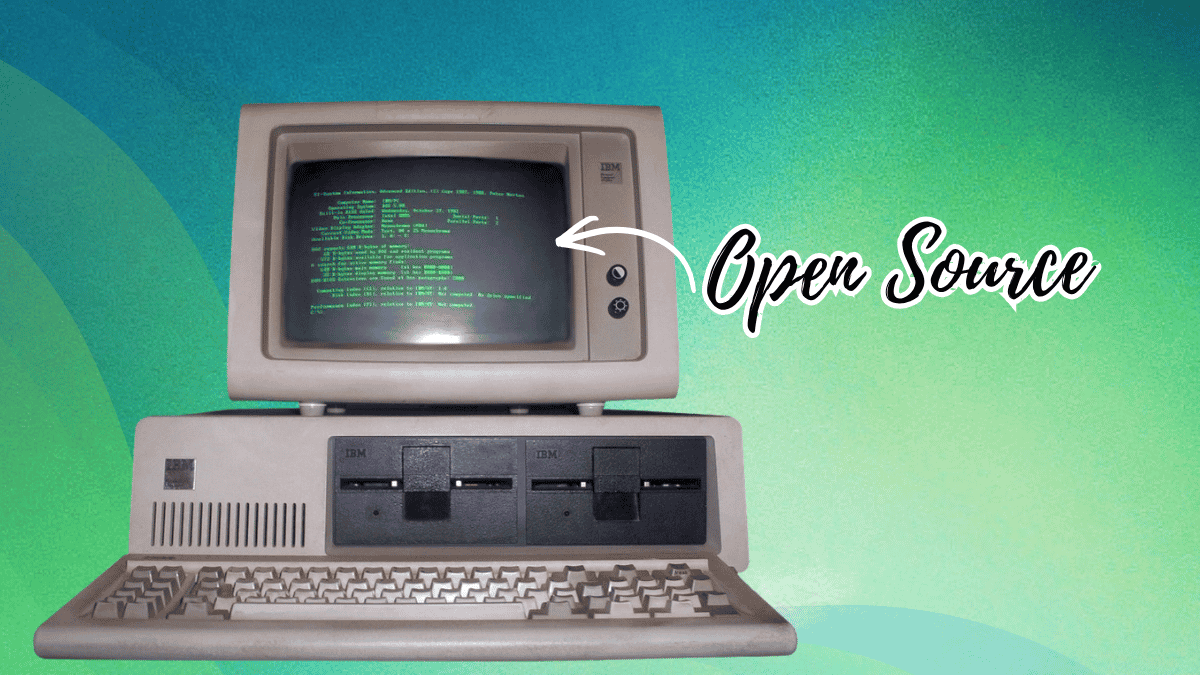
Microsoft bought the rights to 86-DOS for just under $100,000 and shipped it to IBM as PC DOS 1.0 in August 1981, while retaining the right to sell it to other manufacturers as MS-DOS. That single deal set Microsoft on a trajectory to dominate personal computing for the next two decades. The original source code was never intended for public release; it survived only because Paterson held onto physical printouts.
Digitizing the code was no small task. Historians Yufeng Gao and Cini had to locate, scan, and transcribe the DOS-related portions from stacks of continuous-feed paper into compilable code. “Every page had to be carefully scanned and proofread,” Cini said. “It was like reconstructing a piece of history from paper artifacts.”

What This Means
For retro computing enthusiasts and low-level systems developers, this release is a goldmine. The ability to compile and study the original DOS source offers deep insight into early software design and the constraints of 1980s hardware. It also allows modern developers to experiment with the code under a permissive license, potentially leading to new applications or emulation projects.
Microsoft has been steadily opening up its legacy code in recent years, releasing MS-DOS 1.25 and 2.0 in 2018 and 6502 BASIC in 2025. “This is part of a broader effort to preserve computing history,” a Microsoft spokesperson said. “We want to make these foundational pieces accessible to everyone.” The background of this release shows a commitment to transparency and education.
However, the practical impact for most users is limited. The code is relevant primarily for those interested in retro computing, operating system internals, or the history of personal computers. For the broader public, it serves as a reminder of how far computing has come since the days of 8086 chips and command-line interfaces. As Cini put it, “This is a snapshot of where it all began.”
The GitHub repository includes detailed instructions for building the code, and the community is already diving in. For anyone curious about the origins of modern operating systems, this release offers an unprecedented opportunity to explore the roots of PC software. And for historians, it confirms the pivotal role of 86-DOS in the rise of Microsoft.
Related Articles
- Dual Parameter Style Support in mssql-python: Choose qmark or pyformat
- How to Spot Quiet Changes in Your Password Manager: A Bitwarden Case Study
- How to Upgrade to Go 1.26 and Make the Most of Its New Features
- 7 Essential Insights About Go 1.25's Flight Recorder
- Scaling Multi-Agent AI Systems: Lessons from Intuit on Coordination and Reliability
- Go 1.26 Launches Revamped 'go fix' to Automate Code Modernization
- Moving Beyond Vibe Coding: Four Tools for Spec-Driven Development
- How to Navigate the Changes to Anthropic's Claude Subscriptions